
Reviewed · SCUBA DIVING
First Time Introductory Scuba Dive
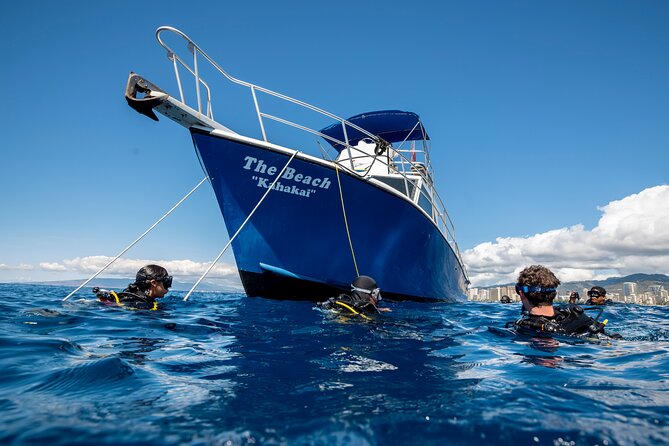
Oahu’s small-group introductory scuba experience gives you a direct first look at the underwater world without buying gear or signing up for a full certification course. An instructor stays with you through the basic safety work and water practice, and the ocean setting may bring turtles, octopuses, and other wildlife into view.
I like the personal scale, with groups of one to four people, and I like that snacks and scuba equipment are included. Guide Ed has earned special praise for his patient instruction and steady checks in the water. The main concern is the open-ocean setting: surface conditions can be choppy, and some beginners may prefer pool practice before entering the sea.
In This Review
- Key points to know before booking
- What the first four hours look like
- Why groups of one to four make a difference
- Learning the basic skills with an instructor
- Entering open water for the first time
- Looking for turtles, octopuses, and electric eels
- Equipment, snacks, and what the $279 price means
- Comfort, safety, and the medical waiver
- Who should choose this Oahu experience
- Booking, weather, and timing advice
- Should you book the introductory scuba session?
- FAQ
- How long does the introductory scuba experience last?
- What time does the activity start?
- Where does the experience begin?
- Where does the activity end?
- Is scuba equipment included?
- Are snacks included?
- Do I need previous scuba experience?
- How many people can take part?
- What happens if the weather is poor?
Key points to know before booking
- Small teaching groups: The introductory session is generally led in groups of one to four, keeping the instruction personal.
- A four-hour morning-to-afternoon outing: You meet at 11 a.m. and return to the same meeting point.
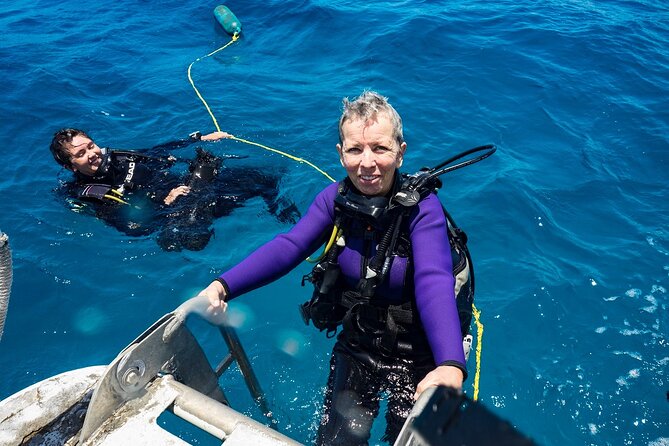
- All scuba equipment is supplied: You do not need to pack your own tank, mask, or other scuba kit.
- Wildlife is part of the appeal: You may see sea turtles, octopuses, electric eels, and other marine life.
- Surface conditions can affect comfort: Choppy water may make the first steps harder, even though the operator says conditions below the surface can be calmer.
- A medical form matters: You must complete an RSTC Scuba Medical Waiver, and a yes answer may require a doctor’s note before you can enter the water.
What the first four hours look like
This is a basic diver, or Discover Scuba Diving, program rather than a certification course. You learn the fundamental safety rules and skills needed to try scuba with an instructor, then put those skills to use in the ocean.
The meeting time is 11 a.m. at the listed Honolulu meeting point, identified by the location code 74VV+4W7 Honolulu. The outing lasts about four hours and ends back where it begins, which keeps the day simple. You do not need to arrange a separate return transfer from the activity.
The exact order of the session can vary, but you should expect instruction before entering the water. One account describes a quick move from conversation to skill practice, followed by a second underwater session. That makes the day feel active rather than lecture-heavy, but it also means you need to be ready to listen closely and respond to directions from the start.
Your instructor’s main job is safety, comfort, and enjoyment. Ed, one of the named guides associated with the experience, has been especially good at explaining the basics and checking that new participants understand what to do. The instruction is designed for a first attempt, but it is still scuba in open water, not a classroom simulation.
Snacks are included, along with water according to the detailed account of the outing. That is a modest feature, but it matters during a four-hour activity. You are using unfamiliar equipment, concentrating on breathing and movement, and spending part of the day on the water. A small snack break helps keep the experience from becoming tiring.
More dive trips off Oahu:
- First-Time Scuba Diving in Honolulu + Free Videos
★ 5.0 · 3,123 reviews - Shark Cage Diving on Oahu’s North Shore
★ 5.0 · 1,391 reviews - Beginner Scuba Diving Experience with Video Package in Honolulu
★ 5.0 · 877 reviews
Why groups of one to four make a difference
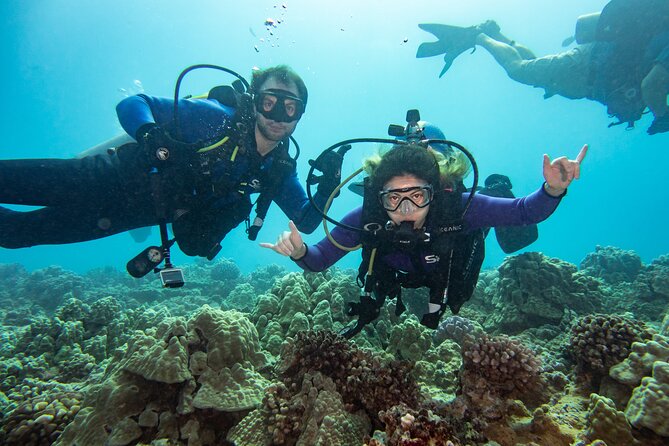
The most appealing detail here is the small teaching group. The introductory portion is described as one instructor working with one to four people, so you are not simply one face in a large crowd waiting for a turn.
That size gives the instructor a better chance to notice nervousness, confusion, or trouble with a basic skill. For a first-time participant, that personal attention can make the difference between enjoying the experience and deciding that scuba is not for you.
Small groups may also help with the wildlife encounter. The operator explains that large groups can frighten marine animals, while a small private charter is less disruptive. You cannot control what appears underwater, but a quieter group gives you a better chance of watching rather than chasing.
There is one detail to clarify before you book. The overall activity has a maximum of 16 participants, while the actual introductory instruction is described as groups of one to four. That likely refers to the total number connected with the outing and the smaller groups used for instruction, but you should confirm the exact arrangement if the group size is central to your decision.
Learning the basic skills with an instructor
The early teaching is the part that determines how comfortable you will feel later. You receive guidance on fundamental safety rules and the skills needed to use scuba equipment, with an instructor nearby as you practice.
The strongest account of the instruction describes Ed as patient and clear. That is exactly what you want from a first scuba lesson. You should have time to understand what the equipment does, how to respond to instructions, and how to handle the first moments in the water without feeling rushed.
Still, this is not presented as a full certification class. You are learning enough to participate in a supervised introductory session, not completing the training needed to scuba independently on future trips.
That distinction matters. If you want a formal qualification, you need a certification program with classroom work, repeated skill practice, and additional sessions. If you simply want to find out how scuba feels while on Oahu, this shorter format is more practical.
The experience may be best for someone who can stay calm while learning a new physical skill. You do not need previous scuba experience, but you do need to pay attention, follow directions, and communicate if you feel uncomfortable.
Entering open water for the first time
The main tradeoff is simple: the ocean makes the outing exciting, but it also makes the first attempt less predictable. One participant found the water extremely choppy and felt that a brief practice in the middle of the ocean was not ideal for a beginner.
That criticism deserves attention. A first session can feel intimidating when the surface is moving, equipment is unfamiliar, and you are trying to remember instructions. One participant in that outing became too scared to continue, and another person also chose not to enter the water.
The operator says it has run the program for more than 15 years with a perfect safety record. It also points out that surface choppiness does not necessarily continue below the surface or affect the underwater portion. Both points can be true: the underwater conditions may be manageable, while getting ready at the surface still feels uncomfortable.
You should ask yourself how you react to moving water. If you are already uneasy about boats, waves, or breathing through equipment, a pool-based introduction may suit you better. If you are willing to try the sea and accept that conditions can change, the open-water setting gives the lesson more immediacy.
The activity requires moderate physical fitness. That does not mean you need to be athletic, but you should be comfortable taking part in a water-based outing and managing scuba equipment with instruction.
Same island, a completely different kind of day:
- Oahu Grand Circle Island and Haleiwa Tour: 9-Hr Deluxe Experience
★ 5.0 · 17,387 reviews - Oahu: Grand Tour Around Island 16 Locations plus Snorkeling
★ 5.0 · 8,669 reviews - Parasailing Experience in Waikiki, HI
★ 5.0 · 7,692 reviews - Salute to Pearl Harbor Including USS Arizona
★ 4.5 · 7,433 reviews
Looking for turtles, octopuses, and electric eels
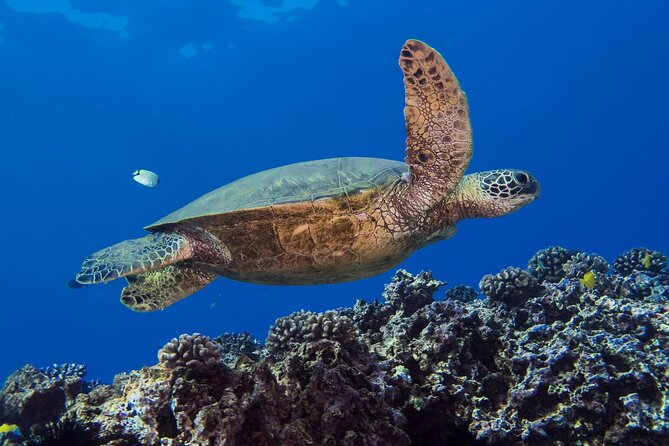
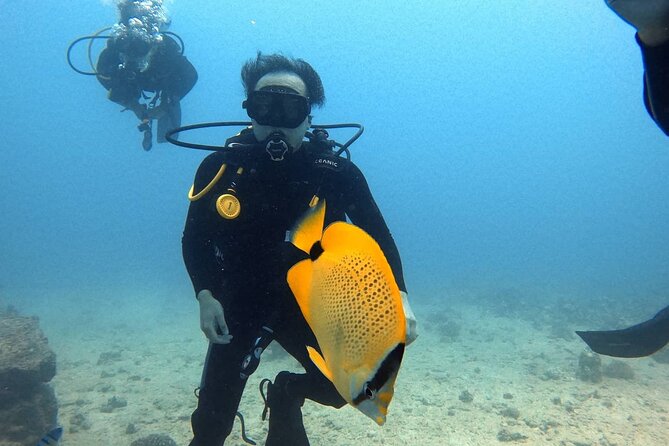
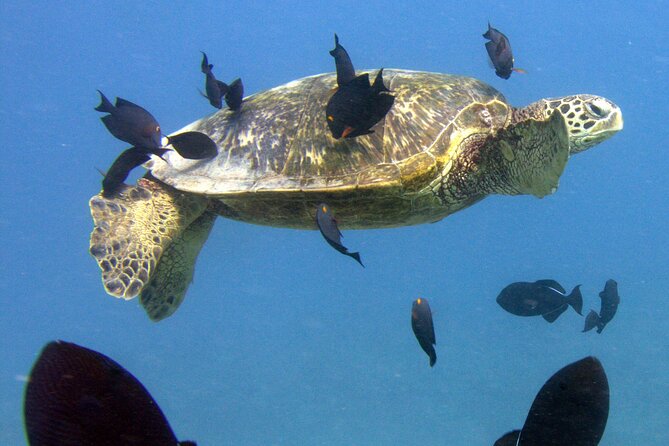
Marine life is the reward for working through the unfamiliar first minutes. The animals specifically associated with the experience include sea turtles and octopuses, and one underwater outing also saw electric eels.
Wildlife sightings are never guaranteed, so I would treat them as a welcome possibility rather than the product itself. The value of the session is learning the basics in a supervised setting. Seeing a turtle glide past or an octopus appear nearby can turn that lesson into a memorable Oahu moment.
The small groups may help here. A few people create less noise and movement than a large crowd, which may make it easier to observe animals without startling them. You are not promised a private wildlife show, but the format is designed with that concern in mind.
Your guide can also add context as the day develops. Before a second underwater session, there may be time to talk about sea animals, other scuba locations, and what you might see elsewhere. That conversation is useful because it connects your first attempt with the wider world of scuba rather than treating the outing as a one-off stunt.
Equipment, snacks, and what the $279 price means
The listed price is $279 per person. That is not a low-cost beach activity, but it includes the use of scuba equipment, instructor-led teaching, the boat or charter element described in the program, snacks, and roughly four hours of attention.
The equipment inclusion is important for a first attempt. You do not need to buy or transport a mask, tank, regulator, or other scuba kit for a single vacation experience. You also avoid guessing which equipment is suitable before you know if scuba is right for you.
The value depends on what you want from the day. If you only want a quick look underwater, $279 may feel steep. If you want instruction, supplied equipment, a small teaching group, and the possibility of two underwater sessions, the price becomes easier to justify.
I would compare it with the cost and effort of arranging a separate lesson, equipment rental, and boat outing. Here, those pieces are packaged together, and the instructor remains focused on first-time participants. The price still requires a deliberate choice, but it is not simply paying for transport to the water.
Snacks are included, which is helpful but not a reason by itself to book. Think of them as a practical extra that supports a longer activity.
Comfort, safety, and the medical waiver
Safety information is not buried here, and you should take it seriously. On the morning of the charter, you must complete an RSTC Scuba Medical Waiver.
A yes answer on that form may require a doctor’s note before you are allowed to scuba. Do not wait until the morning of the activity to discover that you need medical clearance. Review the waiver in advance and address any questions before committing your vacation schedule.
The operator describes the program as safety-focused and says it has maintained a perfect safety record over more than 15 years. That is reassuring, but it does not remove your responsibility to answer the medical questions honestly or tell the instructor if you feel unwell or frightened.
Service animals are allowed, and the meeting point is near public transportation. Those details may help with planning, but the central practical issue remains the water. You need a moderate level of physical fitness and enough comfort to take part in a supervised ocean activity.
The experience is offered in English. Confirmation arrives when you book, and the ticket is mobile, so you can keep the booking on your phone rather than carrying printed paperwork.
Who should choose this Oahu experience
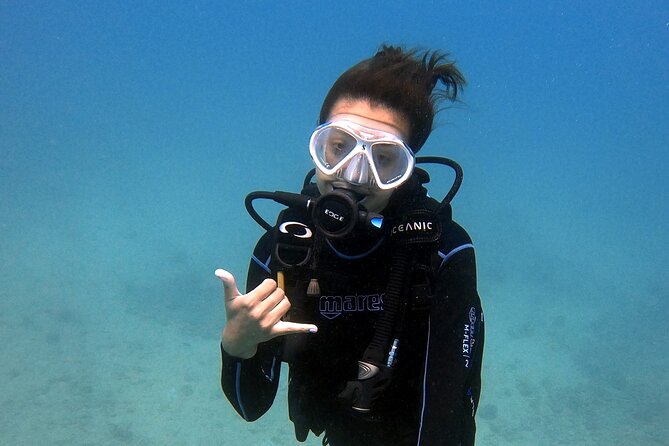
I would recommend this for an adult or older child who is curious about scuba but does not want to commit to certification. The small instruction groups and close supervision make it a sensible first test, especially if you value personal coaching.
It also suits someone who wants more than a standard sightseeing cruise. You are learning a skill, handling real equipment, and entering the water with a clear purpose. The chance to see turtles or octopuses adds a strong wildlife element.
I would be more cautious if you are anxious in open water or need a slow, pool-based introduction. The program does not promise pool practice, and the open-ocean conditions may be choppy. Someone in your party can decide not to continue, but that person may still have planned and paid for an activity they could not enjoy fully.
The small group format is also worth confirming if you are booking for a larger party. The instruction is described as one to four people, while the overall maximum is 16.
Booking, weather, and timing advice
The activity is usually booked about 27 days ahead, so I would not leave it until the last few days of an Oahu stay. Booking early also gives you room to move the activity if weather or personal plans change.
You can cancel for a full refund up to 24 hours before the 11 a.m. start time. Changes made less than 24 hours before the start are not accepted, and late cancellations are not refunded.
Weather matters because the activity can be canceled in poor conditions. If that happens, you are offered another date or a full refund. I would schedule this early enough in your trip to leave room for a replacement day, rather than placing it on your final morning.
Bring the practical mindset you would use for any water activity. Read the medical form ahead of time, arrive ready for a four-hour outing, and tell the instructor immediately if you are uncertain about a skill or uncomfortable in the water.
Should you book the introductory scuba session?
Book it if you want a closely supervised first taste of scuba, appreciate a small teaching group, and like the idea of seeing Oahu’s marine life without bringing your own equipment. The patient instruction associated with Ed, the included snacks, and the chance of two underwater sessions give the $279 price reasonable value for the right person.
Think twice if you need a pool lesson before open water or if choppy surface conditions are likely to make you panic. This is an introduction, not a certification course, and the ocean setting can be demanding for someone with no prior experience.
My practical call is this: choose it for a serious trial run, not a casual add-on. Read the medical waiver, book early, leave a weather backup in your schedule, and make sure everyone in your group is comfortable with an open-water start.
FAQ
How long does the introductory scuba experience last?
The activity lasts approximately four hours.
What time does the activity start?
The listed start time is 11 a.m.
Where does the experience begin?
It begins at the Honolulu meeting point identified as 74VV+4W7 Honolulu, Hawaii.
Where does the activity end?
The activity ends back at the same meeting point.
Is scuba equipment included?
Yes. Use of scuba equipment is included in the price.
Are snacks included?
Yes. Snacks are included, and water was also available during the described outing.
Do I need previous scuba experience?
The program is designed as a Basic Diver, or Discover Scuba Diving, experience for people learning fundamental safety guidelines and skills with an instructor.
How many people can take part?
The introductory sessions are described as small groups of one to four people. The overall activity has a maximum of 16 participants.
What happens if the weather is poor?
The activity requires good weather. If it is canceled because of poor weather, you are offered a different date or a full refund.
Just added around Oahu
- Koko Head E-Bike Ride and Hike Tour★ 5.0 · 3 reviews
- Waikiki: Sunset Swim & Sailing Experience★ 4.5 · 3 reviews
- Diamond Head Hike [Starts at 7:00 a.m.]★ 3.5 · 3 reviews
- Honolulu’s Waikiki Self-Guided Walking Audio Tour★ 4.5 · 3 reviews
- Oahu : Hanauma Bay Reservation+Equipment Rental★ 3.3 · 3 reviews
- Oahu: Half-Day Sunrise Semi-private Tour from Waikiki★ 3.0 · 3 reviews
- Private Whale Watching Safari from North Shore Oahu★ 5.0 · 3 reviews
- Self Guided Hike Trail to Nature Walk & Waterfall★ 3.2 · 3 reviews
Scuba Diving, compared.
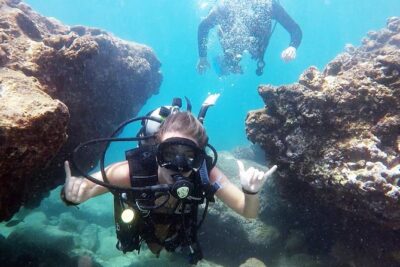
First-Time Scuba Diving in Honolulu + Free Videos
Read our review →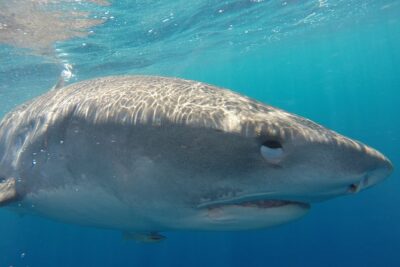
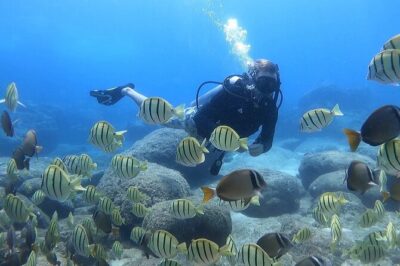
Beginner Scuba Diving Experience with Video Package in Honolulu
Read our review →
Incredibly Fun Coral Reef Giant Sea Turtles 4hour Boat Scuba Tour
Read our review →
Shark Cage Diving On “The World Famous North Shore of Oahu”, Hawaii
Read our review →
Waikiki 2 Tank World Class Wreck SCUBA Diving – Certified Only
Read our review →
Browse the lists this tour appears in