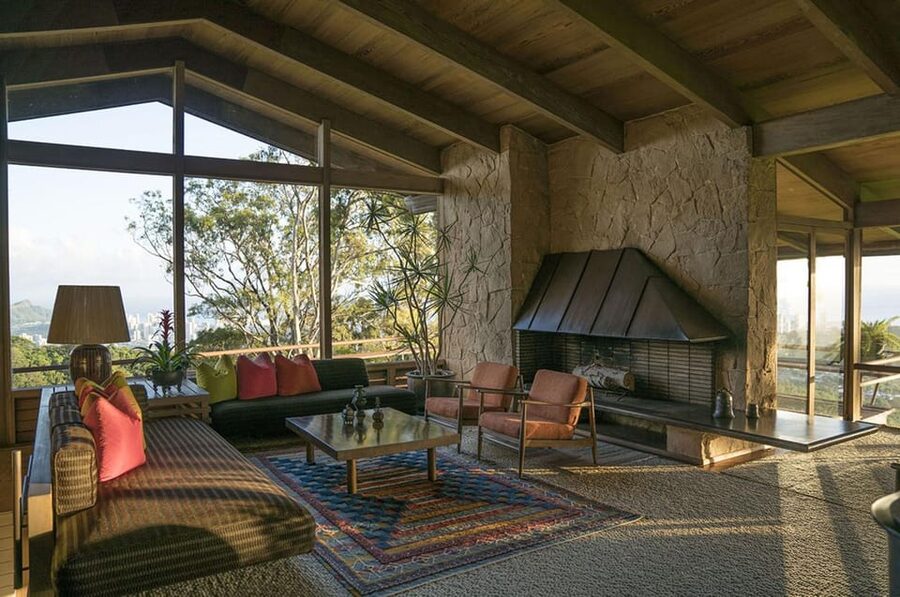
Reviewed · TOURS
Honolulu: Liljestrand House Architectural Tour
The Liljestrand House is not simply an old home with attractive furniture. It is a carefully preserved example of Hawaiian modern architecture, where open planning, natural materials, and framed mountain views work together. I like the intimate group size and the chance to see original furnishings in their intended setting. I also like that your $78 supports the Liljestrand Foundation’s preservation work.
The main drawback is comfort. The house has no air-conditioning and may feel hot in summer and fall, and you must remove your shoes to protect the fragile wood floors. Children under 10 cannot join, so this is best for adults and older children with a real interest in design.
In This Review
- Key Points Worth Knowing
- Why the Liljestrand House Matters in Honolulu
- Entering a Preserved Mid-Century Home
- Learning to Read Ossipoff’s View Management
- Natural Materials and the Feel of the Rooms
- A Guide Who Adds Personal Context
- What the 90 Minutes Feels Like
- Is $78 a Fair Price?
- Who Should Book This Tour?
- Simple Tips for a Better Visit
- Final Call: A Specialized Tour with Real Purpose
- FAQ
- How long does the Liljestrand House tour last?
- What language is the tour conducted in?
- How many people can join the tour?
- Do I need to remove my shoes?
- Is the house air-conditioned?
- Can I cancel for a full refund?
Key Points Worth Knowing
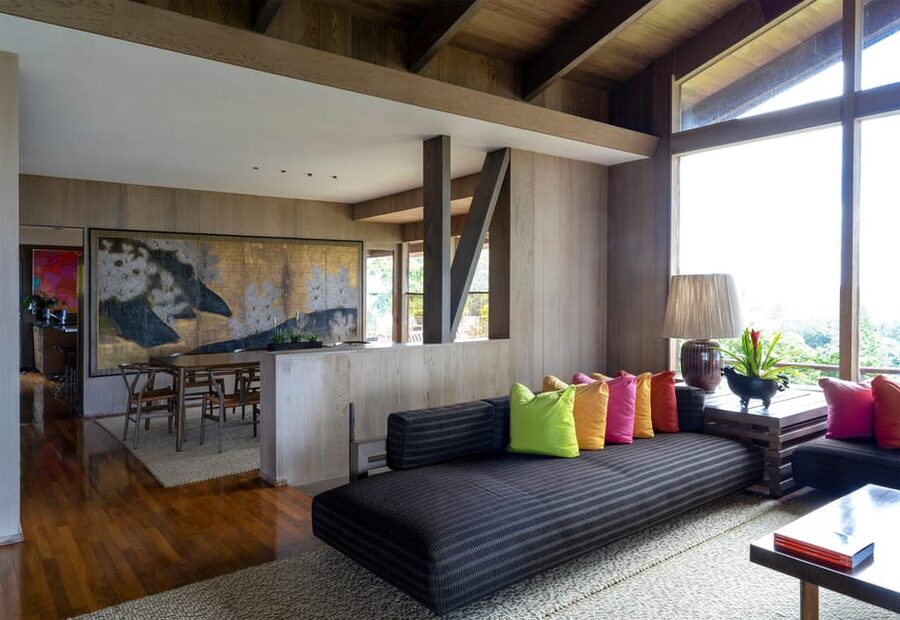
- Perry’s personal connection: One guide, Perry, lived on the mountain and knew architect Vladimir Ossipoff, giving the tour a rare personal link to its subject.
- A preserved private home: The original furnishings and artworks help you see how the house was meant to function, not just how it looks in photographs.
- Ossipoff’s view management: Windows, openings, and room placement direct your attention toward Hawaii’s natural setting.
- Small groups of 10 or fewer: The limited size makes it easier to hear the guide and ask focused questions.
- A preservation-minded visit: Your admission helps the Liljestrand Foundation care for the house and share it for education and culture.
- Plan for a warm, shoe-free visit: Leave large bags, backpacks, tripods, selfie sticks, and extension poles behind.
Why the Liljestrand House Matters in Honolulu
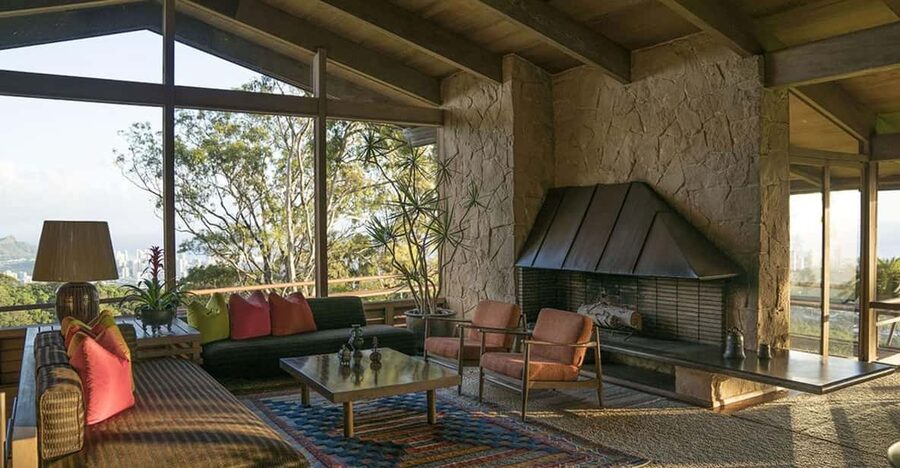
Honolulu has plenty of grand resorts and polished visitor attractions. The Liljestrand House offers something quieter and more revealing: a chance to see how one architect thought about daily life in Hawaii during the mid-century period.
Vladimir Ossipoff’s work was shaped by its setting. The house does not treat the outdoors as a distant view framed by decoration. Instead, the design brings natural light, air, materials, and scenery into the experience of moving through the rooms.
That idea matters because Hawaiian modern architecture is not simply a local version of a style developed elsewhere. It responds to climate, topography, and the relationship between indoor and outdoor living. During the 90-minute visit, you learn to look at the house as a complete work of design rather than a collection of attractive rooms.
I find that approach especially useful if you are not an architecture expert. You do not need to know technical terms before arriving. The guide helps you notice why a window is placed where it is, how a room relates to another room, and how materials affect the feel of the house.
Other Honolulu trips people book alongside this one:
- Oahu Grand Circle Island and Haleiwa Tour: 9-Hr Deluxe Experience
★ 5.0 · 17,387 reviews - Oahu: Grand Tour Around Island 16 Locations plus Snorkeling
★ 5.0 · 8,669 reviews - Salute to Pearl Harbor Including USS Arizona
★ 4.5 · 7,433 reviews
Entering a Preserved Mid-Century Home
The tour begins with entrance to the Liljestrand House and an introduction to the home’s history. From there, the focus shifts to the structure itself, its materials, furnishings, artwork, and connection to the Liljestrand family.
A preserved house gives you a different kind of information from a museum display. You are not looking at isolated objects behind glass. You are seeing furnishings and art as parts of a larger domestic setting, arranged within the architecture they were chosen to complement.
That is one of the strongest reasons to book this experience. Original pieces help you understand the discipline behind the design. The house was not merely built and then filled at random. The furnishings and artworks contribute to the overall visual plan.
You may also find that the home feels more personal than a standard architecture tour. The visit includes the story of the Liljestrand family and their enduring friendship with Ossipoff. That connection adds human scale to the design discussion. You are learning about an architect’s ideas, but you are also seeing how those ideas shaped a family home.
The word preserved is important here. The attraction is not a modern recreation or a newly furnished period display. The Foundation’s work allows you to encounter a house with its character and design intent still present.
Learning to Read Ossipoff’s View Management
One of the most useful ideas covered on the tour is Ossipoff’s skill with views. At first, you may simply notice that the home has appealing outlooks. The guide encourages you to look more closely at how those views are controlled and presented.
View management means that the scenery is not treated as a backdrop everywhere at once. A particular opening can direct your eye toward a specific part of the surrounding setting. A change in room position or sightline can alter what you notice as you walk through the house.
This is a practical lesson in architecture. The design is not only about walls and roofs. It is also about the sequence of views you receive, the pace at which rooms unfold, and the way the structure connects you to its surroundings.
I like tours that teach you how to see, and this one appears designed for that purpose. You leave with more than a list of facts about Ossipoff. You gain a way to examine other buildings in Honolulu. Ask yourself what a window is directing you toward, why a room opens where it does, and how the house handles the boundary between inside and outside.
The effect can be subtle. This is not the sort of visit built around dramatic spectacle at every turn. Its pleasure comes from noticing choices that might otherwise pass without comment.
Natural Materials and the Feel of the Rooms
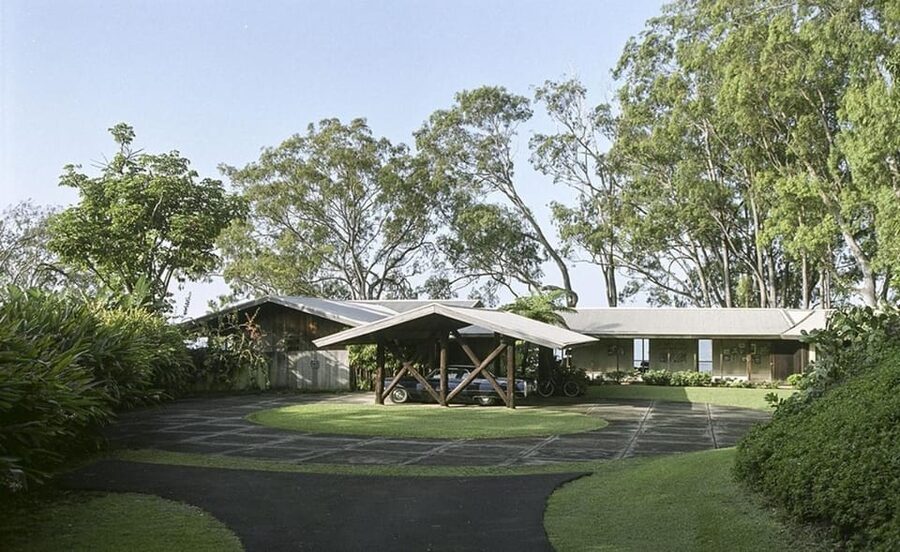
Ossipoff’s use of natural materials is another central part of the visit. The materials are not only decorative. They help establish the house’s relationship with Hawaii and contribute to the way the rooms feel.
You will hear how the architect used materials as part of a broader design language. Their color, texture, and condition help shape the experience of the interior. The wood floors are especially important to the care of the house, which is why you must remove your shoes before entering.
That rule is practical, not fussy. Fragile original surfaces cannot handle the same traffic as a modern public building. Removing your shoes also changes the mood of the visit. You move more slowly and become more aware that you are entering a carefully protected home rather than a conventional attraction.
The shoe requirement does mean you should plan ahead. Wear comfortable socks and avoid footwear that is difficult to remove. Smoking and vaping are not permitted, and pets are not allowed.
The house is not air-conditioned. During summer and fall, heat can affect your comfort, especially if you prefer cool indoor spaces. Wear light clothing, bring water for before or after the visit, and avoid treating this as a place to rush through. The warm conditions are a real consideration, but they are also part of understanding a home designed for Hawaii rather than for a sealed, mechanically cooled interior.
Same island, a completely different kind of day:
- Majestic Circle Island Tour with Lunch
★ 5.0 · 7,014 reviews - Oahu’s Ultimate Tour: Dole, Turtle Snorkel, Pali Lookout & More
★ 4.5 · 5,461 reviews - Oahu Circle Island Tour with Turtle Snorkeling— Small-Groups
★ 5.0 · 5,214 reviews - Oahu: Pearl Harbor USS Arizona Memorial
★ 4.5 · 5,209 reviews
A Guide Who Adds Personal Context
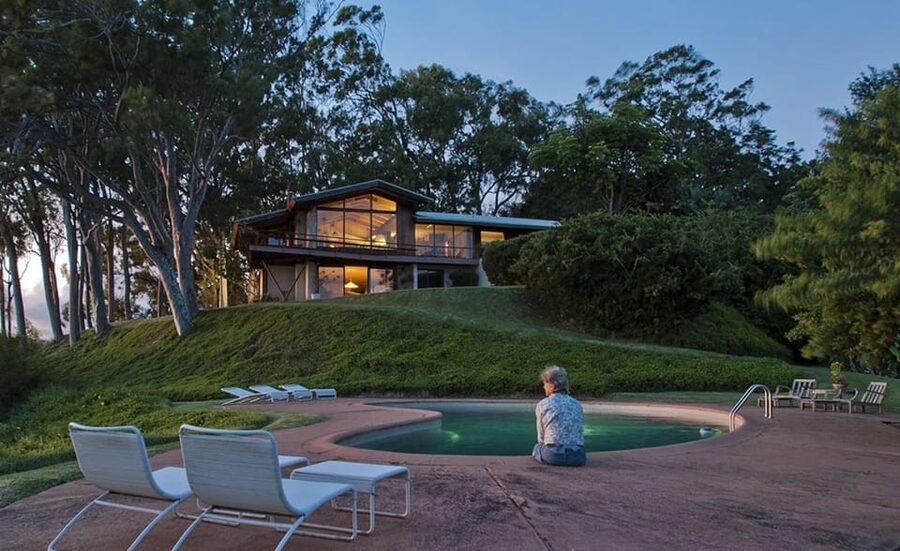
The quality of a house tour depends heavily on the guide. Architecture can feel dry when it is presented as dates, names, and construction details. It becomes much more engaging when the guide can connect the building to the people who shaped it.
Perry is particularly notable because he lived on the mountain and knew Ossipoff. That personal connection gives him insight that goes beyond a basic description of the architect’s work. You may hear details that help connect the building’s design principles with Ossipoff’s character and working life.
Of course, guide assignments can vary. The activity is conducted in English by a live guide, but Perry may not lead every departure. Still, the presence of guides who can explain the home in personal and architectural terms is an important part of the experience.
The small group format helps. With no more than 10 participants, you are less likely to lose the thread of the explanation. You can ask about a particular furnishing, a view, or a design choice without trying to speak over a large crowd.
I would choose this tour over a much bigger architecture walk if your main goal is to understand one building in detail. The tradeoff is that it covers one house rather than a wide range of Honolulu architecture. That narrow focus is a strength for design-minded visitors, but it may feel too specialized if you want a general city tour.
What the 90 Minutes Feels Like
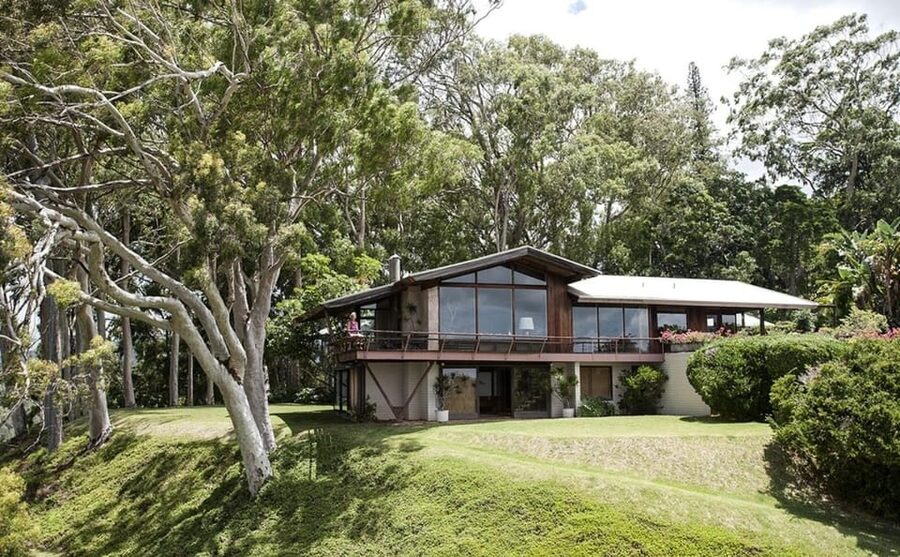
Ninety minutes is a good length for this kind of visit. It gives the guide enough time to explain the family, architect, materials, furnishings, and views without turning the house into an all-day commitment.
Expect the visit to move at a measured pace. You will have time to look at the rooms and absorb how the pieces relate to one another. The tour is not built around a quick pass through the property followed by a gift shop stop. Its value comes from sustained attention to the building.
The first part helps establish the home and its people. The middle portion focuses on Ossipoff’s design principles, including his treatment of views and natural materials. As you continue, original furnishings and artworks provide visual evidence of those ideas.
I would not book this if you want a highly active excursion. There is no indication of outdoor adventure, entertainment, or a broad sightseeing route. This is a seated and walking architecture experience, with the house itself providing the subject.
The small format also makes it better suited to people who enjoy listening. If you are patient and curious, you will get more from the visit. If you prefer to explore independently without a guide, the required tour format may feel restrictive.
Is $78 a Fair Price?
At $78 per person, this is not a bargain attraction in the usual sense. You are paying more than you would for a casual public building visit or a self-guided neighborhood walk.
The value rests in access, interpretation, and preservation. You enter a private, carefully maintained mid-century house, see original furnishings and artworks, and receive a guided explanation of Ossipoff’s work. Your admission also supports the Foundation’s effort to preserve the property and make it available for education and cultural use.
That matters because historic houses require constant care. A small tour with a limited group helps protect the building while providing funds for its future. You are not only buying 90 minutes of sightseeing. You are helping keep a piece of Honolulu’s architectural record in public view.
I think the price is easier to justify if you already care about architecture, design, historic homes, or Hawaiian modernism. It may feel high if you are choosing between many general sightseeing activities and have little interest in how buildings are made.
The strongest value comes from the combination of a rare setting and a strong guide. Perry’s connection with Ossipoff shows how much personal context can add to the experience. If your date is led by a guide with similar depth, the price feels more reasonable.
Who Should Book This Tour?
I would recommend the Liljestrand House to adults and children aged 10 or older who enjoy architecture, interiors, historic properties, or thoughtful guided visits.
It is also a good choice if you have already seen Honolulu’s major sights and want a more focused cultural experience. The tour gives you a different view of Hawaii, one based on design decisions and domestic life rather than beaches, shopping, or resort culture.
Photography-minded visitors should note the restriction on tripods, extension poles, and selfie sticks. Large bags and backpacks are also not permitted, so pack light and do not count on bringing bulky camera gear.
Families with young children should choose another activity. Children under 10 are not suitable for this tour, and the quiet, careful setting may not hold the attention of very young visitors even if they were allowed to join.
People sensitive to heat should think about timing. Since there is no air-conditioning, summer and fall visits can be warm. That does not ruin the experience, but it can change how comfortable you feel during the 90 minutes.
Simple Tips for a Better Visit
- Wear socks and shoes that come off easily.
- Leave backpacks, large bags, tripods, selfie sticks, and extension poles behind.
- Allow the full 90 minutes rather than planning a tight connection afterward.
- Read about Ossipoff before arriving if you want to get more from the guide’s explanations.
- Ask about the relationship between the Liljestrand family and Ossipoff.
- Pay attention to how your view changes as you move from one area of the house to another.
- Plan for warmth during summer and fall, since the house is not air-conditioned.
- Remember that smoking and vaping are prohibited.
- Book at least three days before the visit if you want the option of a full refund under the stated cancellation policy.
Final Call: A Specialized Tour with Real Purpose
You should book the Liljestrand House tour if you want an intimate look at Hawaiian modern architecture and prefer a carefully explained historic home to a broad city sightseeing route.
The strongest reasons are the preserved interiors, Ossipoff’s thoughtful handling of views and materials, the small group of no more than 10, and the chance to support the Foundation’s preservation work. Perry’s personal connection to the architect can add an especially memorable layer when he leads the visit.
Skip it if you need air-conditioning, want a family activity for children under 10, or are mainly looking for famous Honolulu landmarks. For the right audience, though, this is a rewarding 90 minutes and one of the more focused ways to understand how architecture can belong to its place.
FAQ
How long does the Liljestrand House tour last?
The tour lasts 90 minutes. Starting times vary, so check availability when choosing a date.
What language is the tour conducted in?
The live guided tour is conducted in English.
How many people can join the tour?
The group is limited to 10 participants, creating a small-group format.
Do I need to remove my shoes?
Yes. Visitors must remove their shoes because the house has fragile wood floors.
Is the house air-conditioned?
No. The house is not air-conditioned and can sometimes be quite hot during the summer and fall months.
Can I cancel for a full refund?
Yes. You can cancel up to three days in advance for a full refund.
Just added around Honolulu
- Waikiki: Sunset Swim & Sailing Experience★ 4.5 · 3 reviews
- Diamond Head Hike [Starts at 7:00 a.m.]★ 3.5 · 3 reviews
- Oahu : Hanauma Bay Reservation+Equipment Rental★ 3.3 · 3 reviews
- Self Guided Hike Trail to Nature Walk & Waterfall★ 3.2 · 3 reviews
- Private Transfer waikiki to HNL airport * 1-12 passenger*★ 4.7 · 3 reviews
- Kevo’s Beach Bus★ 5.0 · 3 reviews
- Half-Day Waterfall Tour – Hike, Scenic, Food and Photo★ 5.0 · 3 reviews
- Private Transfer Honolulu Airport HNL to Waikiki by Sedan★ 4.5 · 3 reviews
Tours, compared.
Oahu Grand Circle Island and Haleiwa Tour: 9-Hr Deluxe Experience
Read our review →
Grand Tour Around Island 16 Locations plus Snorkeling
Read our review →

Oahu’s Ultimate Tour: Dole, Turtle Snorkel, Pali Lookout & More
Read our review →
Oahu Circle Island Tour with Turtle Snorkeling— Small-Groups
Read our review →
Waikiki Trolley Hop-On Hop-Off Tour of Honolulu
Read our review →