
Reviewed · FOOD
Honolulu: Waikiki Food Tour with Local Guide
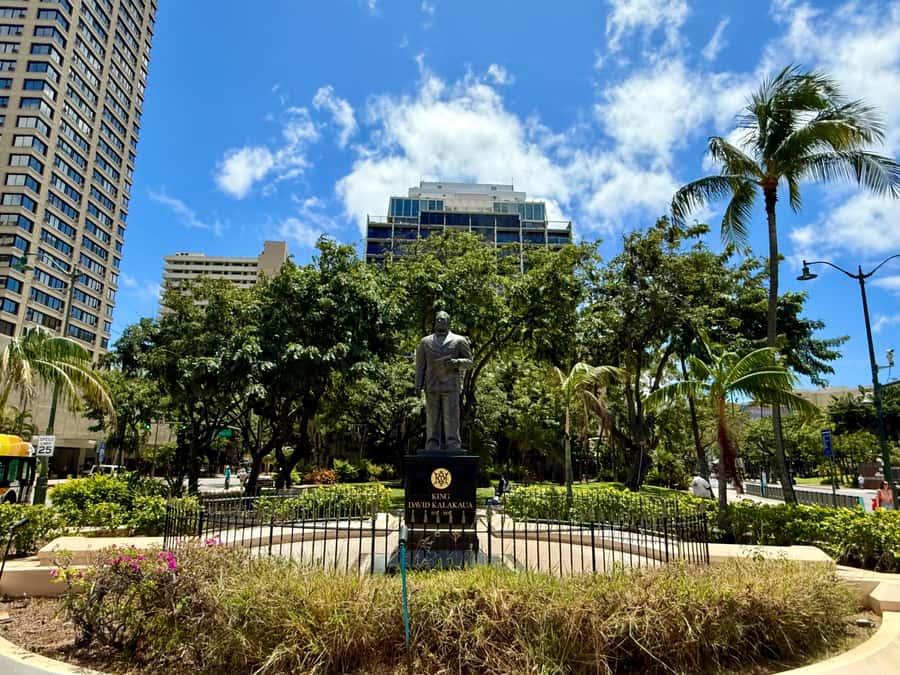
Waikiki is more than hotel towers and beach umbrellas. This three-hour food walk takes you into the neighborhood’s mix of Hawaiian, Portuguese, Japanese, and other island influences, with stops for malasada, poke, Hawaiian BBQ, shave ice, and a Japanese treat with a local twist. You meet at King David Kalākaua’s Statue, then follow your guide through the streets near the beach.
I like two things right away. First, the food is varied enough to give you a quick taste of how Hawaii eats today. Second, the tour links each bite to Waikiki’s culture and past instead of treating the area as a string of snack stops. The main consideration is simple: at $100 per person, you should arrive hungry and expect a walking tour, not a full restaurant meal.
In This Review
- Key points at a glance
- Starting at King David Kalākaua’s Statue
- Malasada, a sweet start with Portuguese roots
- Japanese flavors with a Hawaiian turn
- Poke brings the island’s seafood tradition forward
- Hawaiian BBQ and everyday comfort food
- Cooling off with artisanal shave ice
- How the history and food fit together
- Is $100 a fair price?
- Who will enjoy this Waikiki food walk?
- Practical details for a smoother afternoon
- Should you book this Honolulu food tour?
- FAQ
- Where does the Waikiki food tour meet?
- How long does the food tour last?
- How much does the tour cost?
- What foods are included?
- Is the tour offered in English?
- Can I cancel the booking for a refund?
- Can I reserve the tour and pay later?
- Who should not take this tour?
Key points at a glance
- Five or more local tastings: Try a Portuguese pastry, poke, Hawaiian BBQ, shave ice, and a Japanese-Hawaiian specialty.
- A Waikiki meeting point: Begin at the King David Kalākaua Statue at 2050 Kalākaua Ave.
- Three hours on foot: Comfortable shoes matter as you move through the streets around the beachfront.
- Local context with every stop: Your English-speaking guide explains Hawaiian history and culture along the route.
- Helpful booking flexibility: You can reserve now and pay later, with free cancellation up to 24 hours ahead.
- Best for adventurous eaters: The experience is not suitable for children under five or people with food allergies.
Starting at King David Kalākaua’s Statue
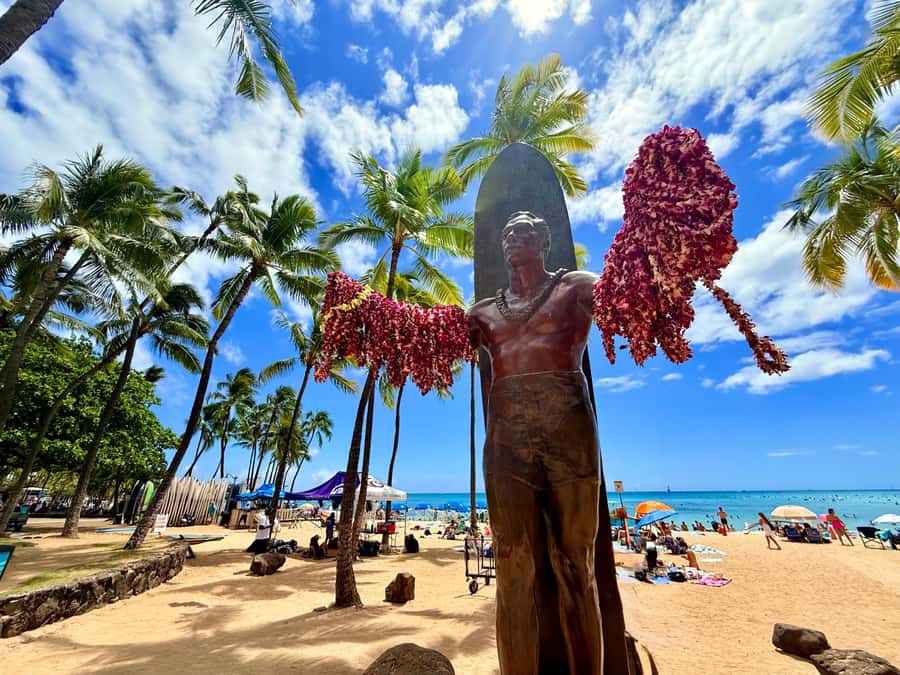
The tour begins at the statue of King David Kalākaua, located at 2050 Kalākaua Ave. This gives you a clear, central place to meet your guide before heading into Waikiki.
Kalākaua is an apt figure for a tour about culture. The experience uses Waikiki’s streets and food to show how several traditions meet in Hawaii. You are not simply sampling familiar vacation snacks. You are tasting foods connected to Portuguese immigration, Japanese influence, Native Hawaiian traditions, and modern island cooking.
Your guide speaks English and leads the walk through the neighborhood. The route takes you around the beachfront area and through the busy streets of Waikiki. Exact group size and the precise businesses used for each tasting are not provided, so you should expect the stops to follow the operator’s current schedule.
That flexibility can be useful. Food tours often depend on what is open and available that day. It also means you should not book this expecting a fixed restaurant itinerary with named establishments.
More food and drink trips on Honolulu:
- Beaches, Food & Aloha: Private Oahu Tour
★ 5.0 · 103 reviews - Da Local’s Food Tour of Oahu
★ 5.0 · 59 reviews - Oahu Island Sightseeing and Food Combo Tour
★ 4.5 · 50 reviews
Malasada, a sweet start with Portuguese roots
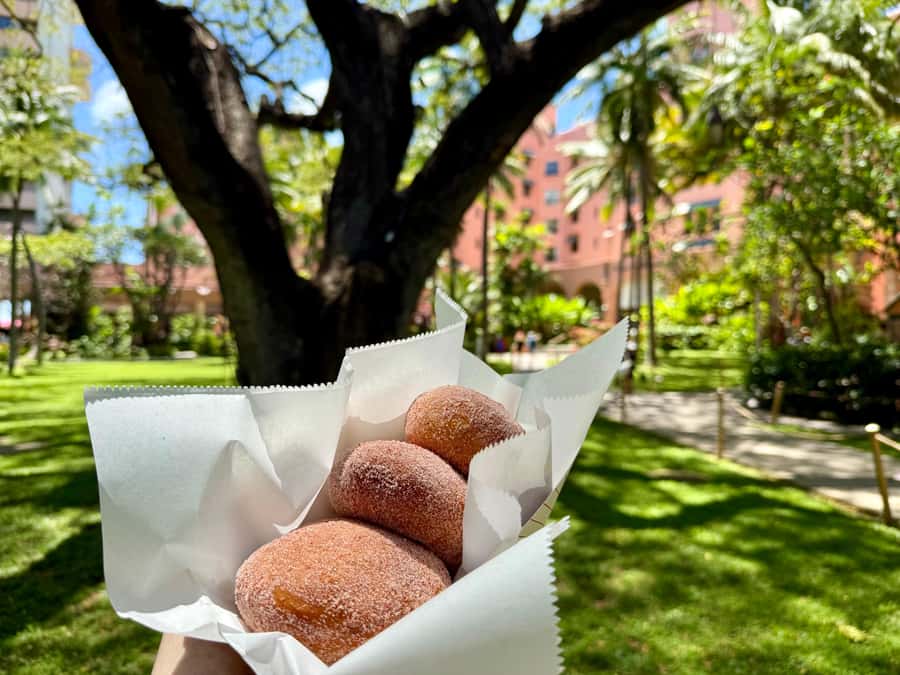
One of the first tastes is a malasada, a Portuguese pastry that has become a favorite in Hawaii. It is a smart opening bite: sweet, portable, and tied to a part of island food culture that many first-time visitors may not know.
The malasada also sets the tone for the tour. Hawaii’s food traditions are not limited to one style of cooking. Local food developed through many communities, and the pastry shows how an international food can become part of everyday island life.
If you prefer savory food, this opening may feel dessert-heavy. Still, it gives the walk a clear sense of place. You are trying something associated with Hawaii rather than starting with a generic chain snack.
Because the tour lasts three hours and includes several more tastings, you do not need to treat the first stop as a full breakfast. A light meal before the tour may be wise, but avoid arriving after a large lunch. You will get more from the experience if you have room for each sample.
Japanese flavors with a Hawaiian turn
The next part of the walk includes a Japanese treat with a distinct Hawaiian twist. The exact item is not specified, so you should expect the guide to introduce the day’s selected specialty rather than a guaranteed named dish.
This stop matters because Japanese influence is a major part of Hawaii’s food story. The point is not simply that two cuisines appear side by side. It is the way an established Japanese food can be changed by local tastes, ingredients, and habits.
I like this kind of tasting because it gives you a comparison point. You can recognize the Japanese connection while also noticing what makes the Hawaiian version different. It is a small lesson in how food changes as it moves from one place to another.
The lack of a named item is worth keeping in mind if you have a particular dish in mind. The tour description promises a Japanese treat with a Hawaiian twist, but not one exact recipe or shop.
Poke brings the island’s seafood tradition forward
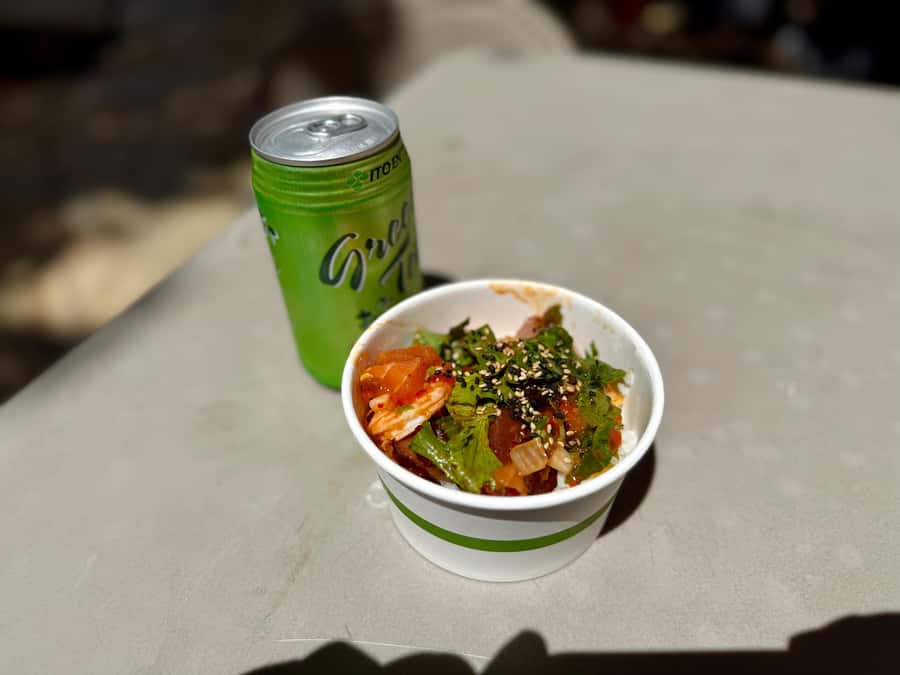
Poke is one of the central tastings. You will sample poke bowls made with fresh, locally caught fish seasoned for the dish.
For many people, this will be the most important food stop. Poke has become common far beyond Hawaii, but eating it in Honolulu gives you a better setting for understanding its place in local food culture. The seasoning, preparation, and balance of ingredients matter more than the name alone.
The tasting format is useful here. You get to try the dish without committing to a large bowl at a restaurant, and you can ask your guide about the flavors as you eat. If poke is new to you, this is a gentle way to start. If you already know it, the stop still gives you a chance to compare local preparation with versions you have had elsewhere.
People with food allergies should skip this tour. The activity is specifically not suitable for people with food allergies, and a food walk with several tastings is not the right place to count on substitutions or avoid every cross-contact concern.
More food trips on Honolulu:
- Sights & Bites Ultimate Oahu Circle Island Foodie Tour
★ 4.5 · 492 reviews - We Go Eat: Secret Aloha Bites Tour
★ 5.0 · 54 reviews - Shared Food & Waterfall Tour in Honolulu
★ 5.0 · 41 reviews - Oahu’s Fun and Foodie Tour Groups of 5 or more Only!
★ 5.0 · 7 reviews
Hawaiian BBQ and everyday comfort food
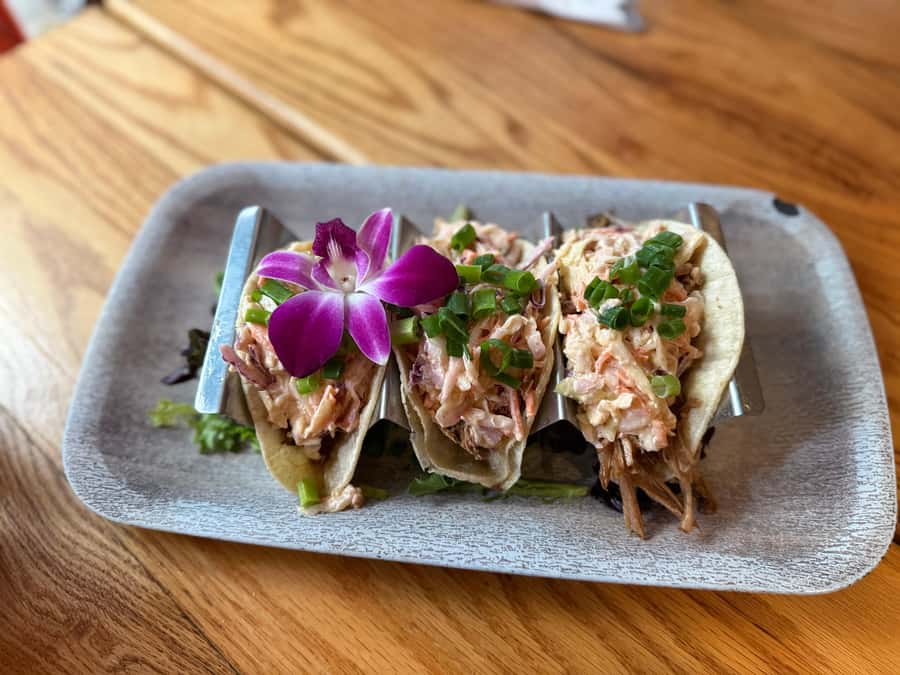
Hawaiian BBQ adds a warmer, more filling taste to the route. The stop is described as a tasting rather than a full plate, so think of it as part of a sequence instead of a sit-down meal.
This is where the tour broadens beyond famous foods. BBQ represents the comfort-food side of Honolulu, the kind of flavor that can tell you as much about daily eating as a dish with a long cultural backstory. Your guide also talks about Hawaiian history and culture while you move between stops, giving the food a larger setting.
You should not expect every tasting to appeal equally to you. That is part of the value of a food walk. A guided route lets you sample several styles in one afternoon, and you can leave with a better idea of what you want to order later during your stay.
The stops also break up the walking. Three hours is long enough to feel substantial, but the tastings give the route a natural rhythm. Bring comfortable shoes, especially since the experience takes place on foot around Waikiki’s streets.
Cooling off with artisanal shave ice
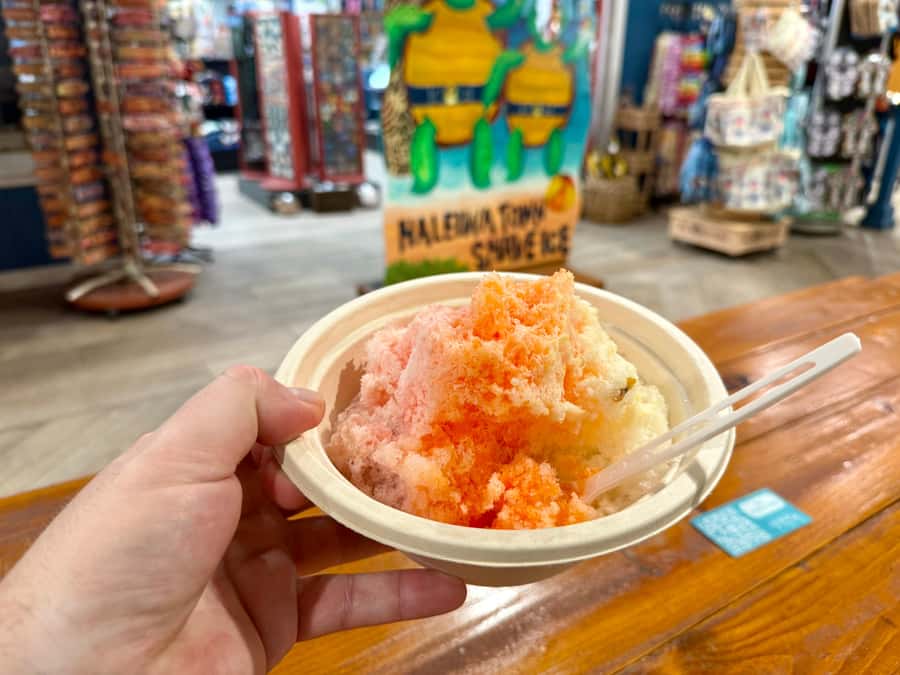
Artisanal shave ice is the natural finish for a warm Honolulu walk. It is light, cold, and well suited to Hawaii’s sunny weather.
This stop gives the food tour a different texture and pace. After pastry, seafood, and BBQ, shave ice resets your palate. It also shows how a simple frozen treat can become part of the island’s food identity.
The word artisanal suggests special preparation, but the supplied details do not name the shop, flavors, or toppings. You should enjoy this as a sample rather than arrive with a particular flavor combination in mind.
For you, this may be the most immediately fun stop. It is easy to understand, refreshing, and less challenging than trying an unfamiliar savory dish. It also makes sense at the end, when a cool treat can be welcome after walking through Waikiki.
How the history and food fit together
The guide’s role is not limited to handing out samples. The tour includes background on Hawaiian history and culture, with Waikiki as the setting.
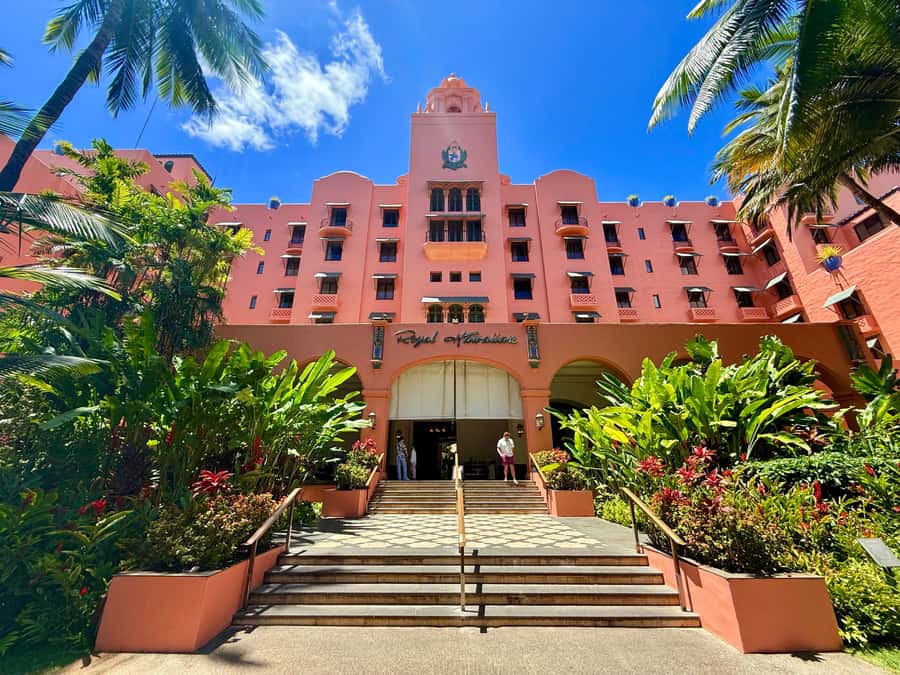
That context is important because Waikiki can feel polished and heavily built up at first glance. The walk helps you look past the hotel frontage and connect the modern neighborhood with the people, traditions, and cultural exchanges that shaped it.
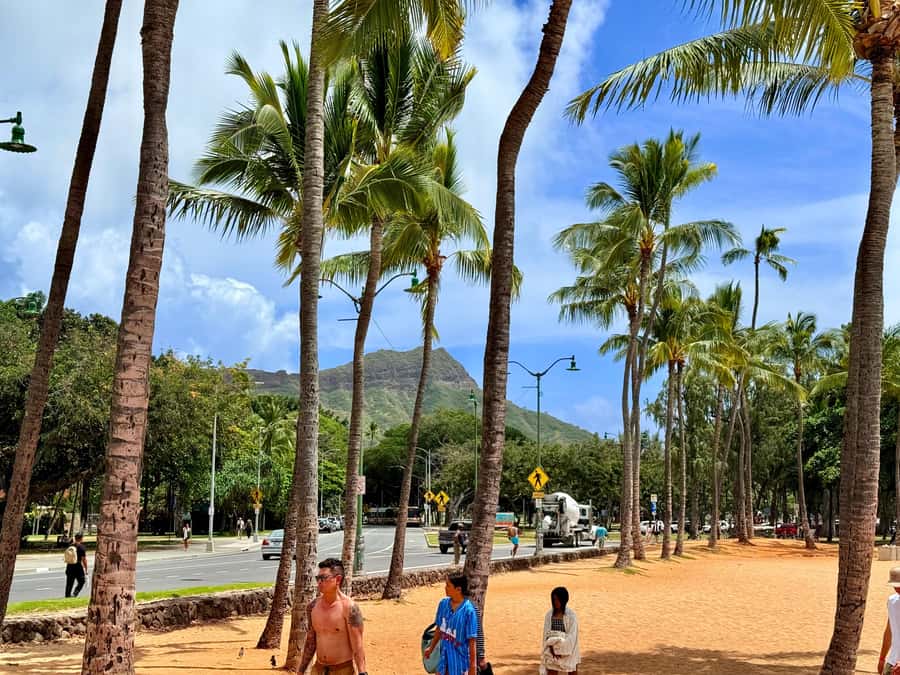
The experience description places Waikiki against Diamond Head and presents the district as a cultural crossroads. You should expect the guide to explain the neighborhood while you walk, though the available details do not promise specific historic sites, dates, or a separate sightseeing lecture.
I would book this early in a Honolulu stay if food helps you get your bearings. You can use the guide’s explanations and your own tasting notes when choosing later meals. It is also a good fit for anyone who wants more than a beach day but does not want to spend several hours inside a formal museum.
Is $100 a fair price?
At $100 per person, the tour is not the cheapest way to eat in Waikiki. You are paying for more than the food itself: a three-hour guided walk, at least five tastings, local stories, and the convenience of having the route organized for you.
The value improves if you would otherwise spend time guessing where to eat. A malasada, poke, BBQ, shave ice, and Japanese-Hawaiian treat purchased separately could add up, especially in a major resort area. The guide’s local perspective is also part of what you are buying.
Still, I would not recommend it to someone seeking a large lunch. Tastings are samples, and the route is built around variety rather than one generous meal. If you are watching your budget closely, compare the $100 cost with your interest in the cultural explanation and the chance to try several foods in one outing.
One positive sign comes from a booking problem described by Sean of New Zealand. After flight delays caused him to miss a morning tour, the company moved his reservation to an afternoon departure. That kind of flexibility can matter when you are dealing with Honolulu traffic, flight changes, or a tight arrival day. It is not a guarantee for every situation, but it is a useful detail to remember.
The experience currently has a five out of five rating from three reviews. That is encouraging, but it is also a small sample. The strongest specific praise is for the guide Stella, described as great, and for the food being new and impressive to a first-time visitor. Treat that as a positive indication, not as proof that every stop will suit every palate.
Who will enjoy this Waikiki food walk?
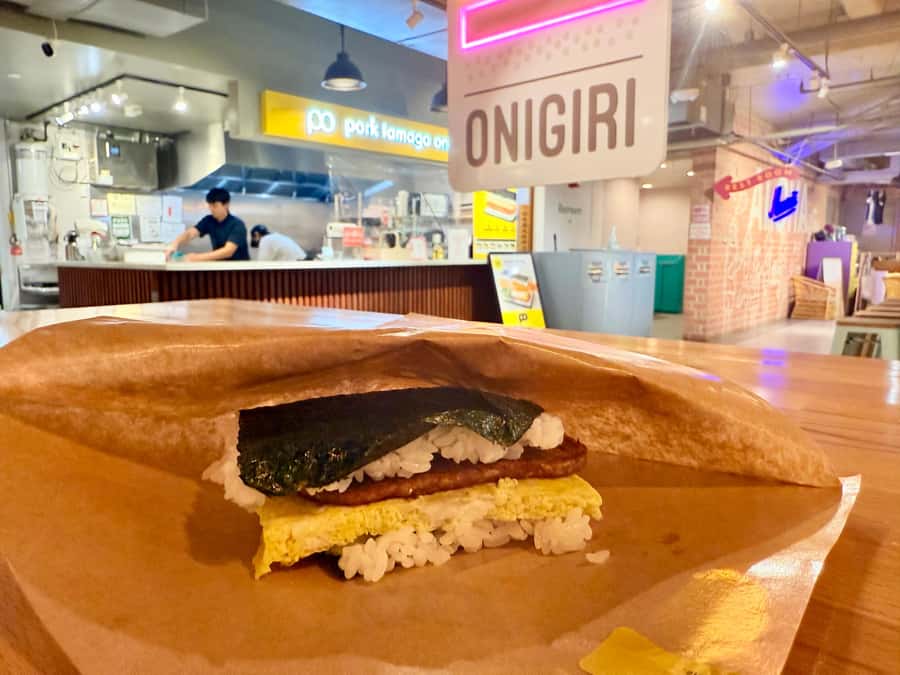
I would choose this for adults and older children who enjoy trying unfamiliar foods, walking through a resort district, and asking questions about local culture. It works especially well for a first visit, when you want an introduction to several Hawaiian flavors without planning each stop yourself.
It also suits couples, friends, and solo visitors who like a social food experience. The English-speaking guide provides structure, while the tasting list gives you plenty to discuss along the way.
I would be cautious if you have a very restricted diet. The tour is not suitable for people with food allergies, and the supplied information does not list vegetarian, vegan, gluten-free, or other alternatives.
It is also not designed for children under five. Families with older children should consider the three-hour duration, the walking, and the fact that the foods may not all appeal to young eaters.
Smokers should note that smoking is not allowed. Alcohol and drugs are also prohibited, and you are expected not to litter.
Practical details for a smoother afternoon
Wear comfortable shoes. That is the one item specifically recommended, and it is sensible for a three-hour walking route through Waikiki.
Arrive at the King David Kalākaua Statue at 2050 Kalākaua Ave with enough time to find the meeting spot. Starting times vary, so check availability when you book.
The tour is offered in English. Transportation is not listed, so plan to meet the guide at the statue rather than expect hotel pickup or a vehicle between tastings.
You can reserve now and pay later, which is useful if you are still arranging your Honolulu schedule. Cancellation is free up to 24 hours in advance for a full refund. Those terms give you some room to adjust plans, but you should still check the current starting time and booking conditions before confirming.
Should you book this Honolulu food tour?
Book it if you want a guided introduction to Waikiki’s food culture, especially if malasada, poke, Hawaiian BBQ, shave ice, and cross-cultural cooking all sound appealing. The combination of five or more tastings and local history gives the tour more substance than a simple snack crawl.
Skip it if you want a large meal, dislike walking, need allergy accommodations, or prefer to choose every restaurant yourself. At $100, the experience earns its price through variety, guidance, and cultural context rather than portion size.
For most food-curious adults, I would schedule it early in your Honolulu visit and keep the rest of that meal period light. The food will be more enjoyable, and you will have the rest of your trip to follow up on the flavors that caught your attention.
FAQ
Where does the Waikiki food tour meet?
Meet your English-speaking guide at the King David Kalākaua Statue at 2050 Kalākaua Ave, Honolulu, HI 96815.
How long does the food tour last?
The tour lasts three hours.
How much does the tour cost?
The listed price is $100 per person.
What foods are included?
The tastings include a local pastry, poke, Hawaiian BBQ, artisanal shave ice, and a Japanese treat with a Hawaiian twist.
Is the tour offered in English?
Yes. The tour has a live guide and is offered in English.
Can I cancel the booking for a refund?
Yes. You can cancel up to 24 hours in advance for a full refund.
Can I reserve the tour and pay later?
Yes. The reserve now and pay later option allows you to book without paying immediately.
Who should not take this tour?
The activity is not suitable for children under five or people with food allergies. Smoking, alcohol, drugs, and littering are not allowed.
Just added around Honolulu
- Waikiki: Sunset Swim & Sailing Experience★ 4.5 · 3 reviews
- Oahu : Hanauma Bay Reservation+Equipment Rental★ 3.3 · 3 reviews
- Diamond Head Hike [Starts at 7:00 a.m.]★ 3.5 · 3 reviews
- Self Guided Hike Trail to Nature Walk & Waterfall★ 3.2 · 3 reviews
- Private Transfer waikiki to HNL airport * 1-12 passenger*★ 4.7 · 3 reviews
- Kevo’s Beach Bus★ 5.0 · 3 reviews
- Half-Day Waterfall Tour – Hike, Scenic, Food and Photo★ 5.0 · 3 reviews
- Private Transfer Honolulu Airport HNL to Waikiki by Sedan★ 4.5 · 3 reviews
Food, compared.

Oahu Catamaran Waikiki Sunset on 40 Foot Catamaran: Food and BYOB
Read our review →
Oahu in a Day: Waterfall – Food Trucks – Lookouts – Small Crowds
Read our review →
Oahu Sights and Bites Circle Island Foodie Tour
Read our review →
Browse the lists this tour appears in