
Reviewed · EVENING EXPERIENCES
Oahu Night Dive: Adventure for Certified Divers
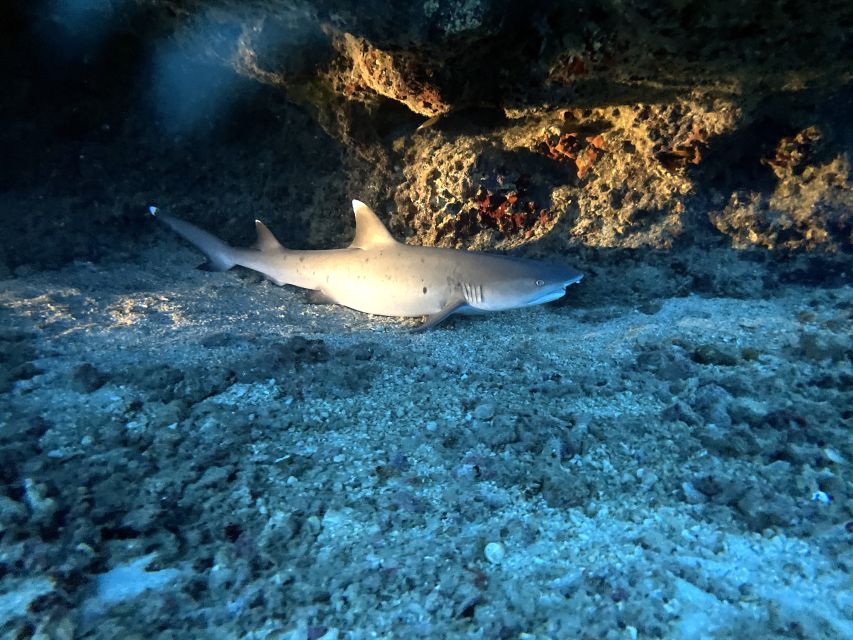
As daylight fades over Oahu, the ocean changes character. This three-hour trip takes you to two south-shore dive sites, beginning at twilight and continuing into full darkness, when eels, rays, octopus, crabs, and other night creatures become easier to spot. I like the two-stage format and the chance to see Hawaii’s marine life in a new setting.
I also like that the $248 price includes two tanks and the main equipment, along with dive lights, snacks, and refreshments. The main drawback is the strict qualification rule: you must be a certified diver, show proof of certification, swim comfortably, and avoid flying for 24 hours afterward. The activity also excludes children under 15 and people with certain health concerns.
In This Review
- Key points to know before booking
- Why Oahu’s night reefs feel so different
- Meeting at Kewalo Basin and getting ready
- The boat ride and included equipment
- First session: a reef at twilight
- The 30-minute sunset break
- Second session: the ocean after dark
- What the $248 price really covers
- Who should book this evening trip
- Practical ways to prepare
- Should you book the Oahu night scuba trip?
- FAQ
- Where does the Oahu night scuba activity meet?
- How early should I arrive?
- How long does the activity last?
- How many underwater sessions are included?
- Is a safety briefing included?
- What happens between the two sessions?
- What equipment is provided?
- Do I need scuba certification?
- Can I fly after the activity?
- Is parking included?
- Who cannot take part?
Key points to know before booking
- Two underwater sessions after sunset: The first takes place at twilight, while the second happens in near-total darkness.
- Possible wildlife encounters: Look for sharks, turtles, eels, rays, octopus, starfish, crabs, dolphins, and Hawaiian endemic fish.
- Full gear package included: You receive two tanks, a wetsuit, fins, weights, a BCD, and a dive light.
- Comfortable boat setup: The charter has both shaded and open decks, room to move around, and a restroom.
- Certification is required: Bring proof of your scuba certification to the boat.
- Allow extra time after the trip: You must not fly within 24 hours after scuba activity.
Why Oahu’s night reefs feel so different
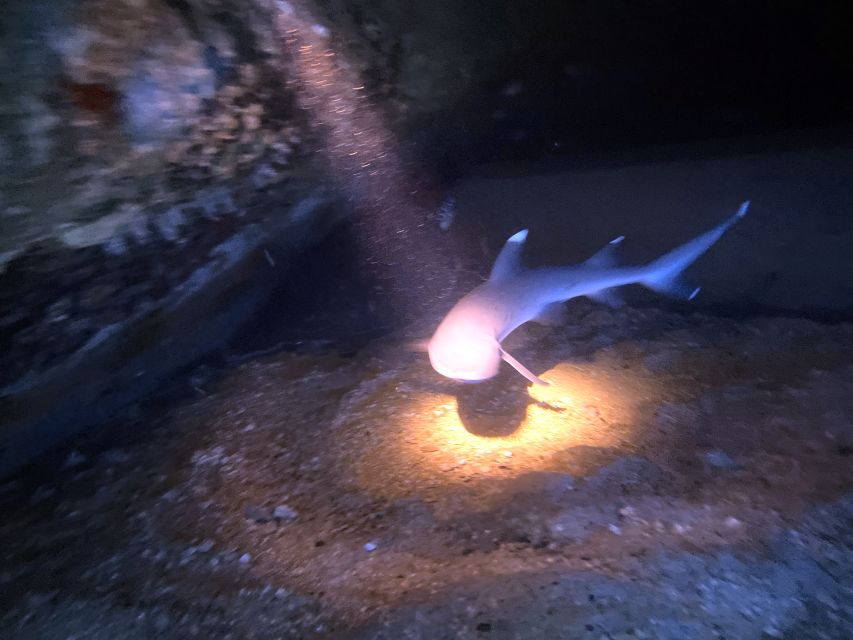
A daytime reef is busy with color and movement. At night, your light creates a small circle of visibility, and everything beyond it fades into black water. That limited view changes the pace. You pay closer attention to a pair of eyes, a moving shape, or a creature tucked under coral.
The first session begins around twilight, which gives you a useful transition into the night. You can see the reef while there is still some natural light, then watch the scene change as darkness settles. Some daytime animals head toward shelter, while nocturnal species begin appearing.
That progression is the heart of the experience. You are not simply repeating the same underwater tour twice. The two sessions let you compare a reef at dusk with the same general environment after dark. The second session is likely to feel more dramatic because your dive light becomes the main source of illumination.
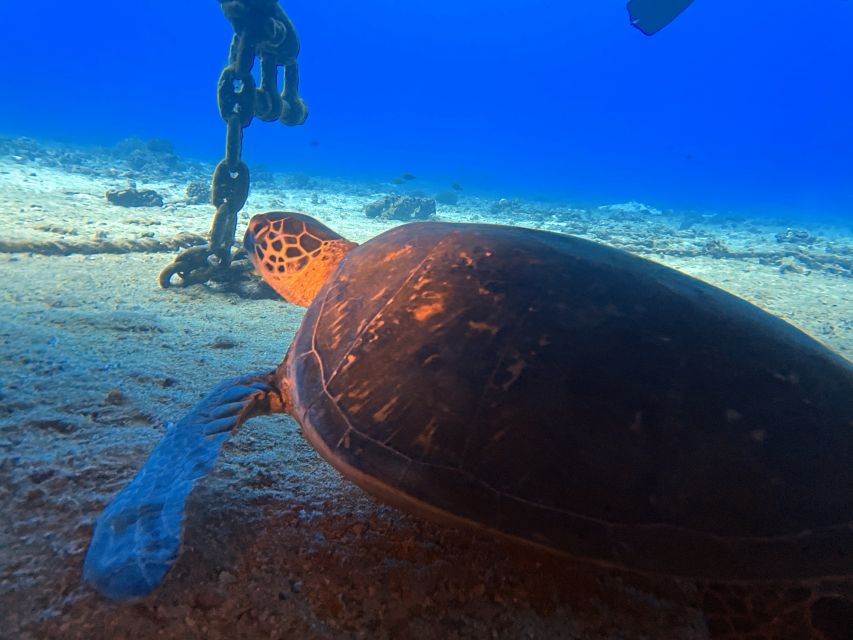
The wildlife list is broad, but it should be read as a set of possibilities, not a guarantee. You might encounter sharks, Hawaiian green sea turtles, eels, rays, octopus, starfish, crabs, dolphins, and local reef fish. Hawaiian endemic fish are especially interesting because they are found only in Hawaii, or mainly in Hawaiian waters. Still, wildlife sightings depend on conditions, timing, and chance.
More things to do after dark on Oahu:
- Oahu’s Waikiki Coast: Moana’s Sunset Cocktail Sail
★ 5.0 · 2,205 reviews - Honolulu: Three Star Deluxe Sunset Dinner Cruise and Show
★ 4.5 · 1,204 reviews - Sunset Dinner Cruise in Honolulu, Hawaii
★ 4.0 · 1,023 reviews
Meeting at Kewalo Basin and getting ready
You meet at the harbor in the front row, slip 8. Look for the large turtle picture on the boat or nearby meeting point. Arrive at least 30 minutes before the scheduled start, since you need time to check in, show your certification, and get ready without rushing.
Kewalo Basin has paid parking at $1 per hour. Ala Moana Beach Park offers free parking, though you should allow time to walk from there to the harbor. Parking is not included in the $248 price, so this small detail matters when you work out your total cost.
The safety briefing in Honolulu lasts about 25 minutes. That is a sensible amount of time for an evening outing where visibility will change during the first session and disappear almost entirely during the second. Listen carefully to the guide’s instructions about staying with the group, handling the light, and communicating underwater.
You must be able to swim and be in good health. The operator does not accept pregnant participants, children under 15, or people with pre-existing medical conditions. The supplied information does not define which medical conditions are disqualifying, so if you have a health concern, contact the provider before booking rather than waiting until check-in.
The boat ride and included equipment
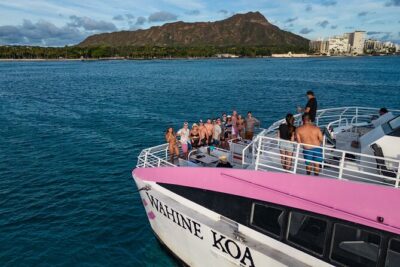
The charter is set up for a three-hour outing rather than a bare-bones transfer. It has a sun deck, a shaded deck, open space for moving around, and a restroom. Those features matter more at night than they might on a short daytime trip, since you will spend time aboard before and between the two underwater sessions.
The package includes two tanks, weights, fins, a BCD, wetsuit, and dive light. That is a useful inclusion for visitors who do not want to pack or arrange separate equipment rental. It also reduces the number of extra costs to track.
You still need to bring swimwear and a towel. Your certification is essential, too. You must be able to present proof of certification at the boat, so keep it accessible rather than buried in your luggage or hotel room.
The information provided does not specify the exact boat departure time, group size, water temperature, or individual equipment brands. Check the available start times and confirm any personal gear needs with Dive Oahu Inc before you go. The guide speaks English.
First session: a reef at twilight
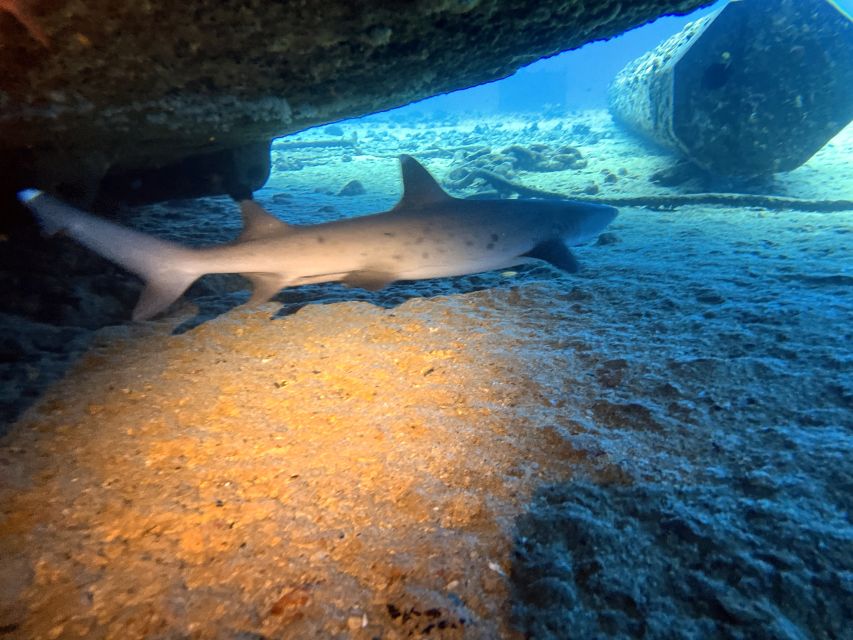
After the briefing, the first guided underwater session lasts about one hour. It takes place as daylight fades, giving you the best chance to watch the reef shift from daytime activity toward nighttime behavior.
This is the gentler introduction to the evening. There is still some ambient light, so you can get your bearings before the full darkness of the second session. For anyone who has never gone underwater at night, that gradual change may feel more comfortable than beginning in complete blackness.
Your PADI-certified guide leads the group. The supplied information does not provide the guide’s name, so you should not expect a particular named instructor when booking. What is clear is that the sessions are guided and that the provider supplies the required equipment.
At twilight, you might see turtles, rays, reef fish, sharks, or eels. The reef can also reveal smaller creatures such as crabs, starfish, and octopus. A light helps you inspect details that would be hard to see from the surface, but it also narrows your focus. Look where the guide directs you and avoid racing ahead in search of your own discovery.
The first session is also the best time to notice the reef itself. As the sky darkens above you, the water takes on a different mood. The changing light makes this more than a standard daytime swim with a later start.
Same island, a completely different kind of day:
- Oahu Grand Circle Island and Haleiwa Tour: 9-Hr Deluxe Experience
★ 5.0 · 17,387 reviews - Oahu: Grand Tour Around Island 16 Locations plus Snorkeling
★ 5.0 · 8,669 reviews - Parasailing Experience in Waikiki, HI
★ 5.0 · 7,692 reviews - Salute to Pearl Harbor Including USS Arizona
★ 4.5 · 7,433 reviews
The 30-minute sunset break
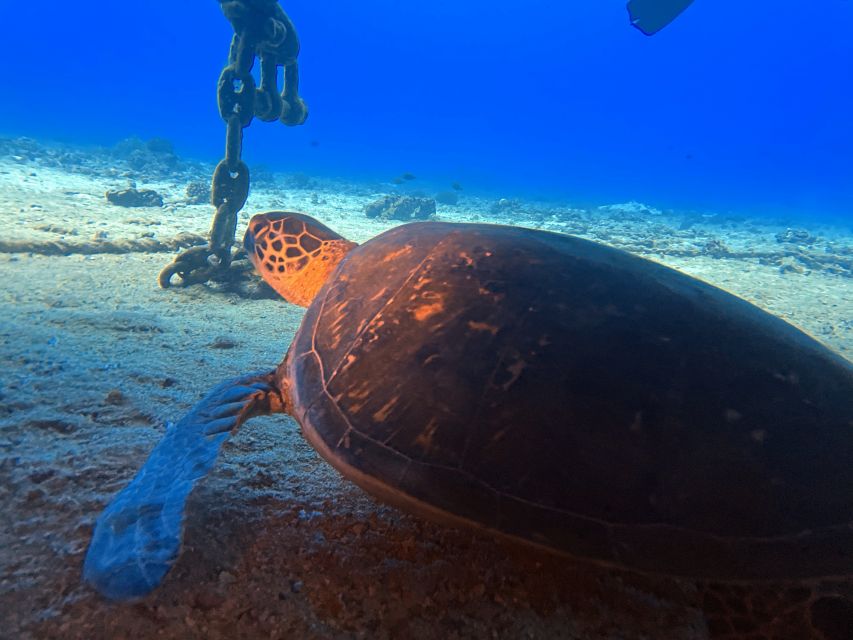
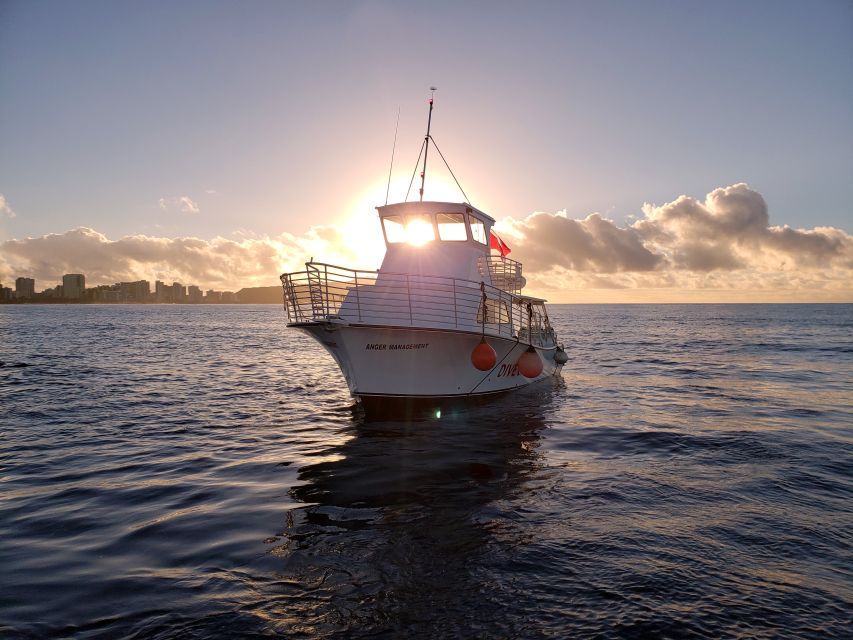
After the first hour underwater, you return to the boat for a 30-minute surface interval. Snacks and refreshments are included, giving you a chance to eat, drink, and warm up before the second session.
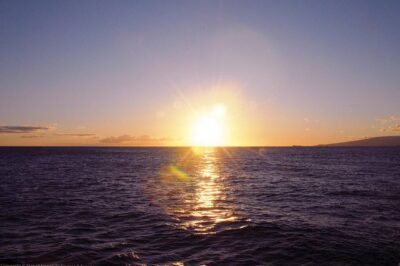
This break is short but useful. You have time to check your equipment, listen to the guide’s instructions, and watch the last color leave the sky. The sunset pause also divides the trip neatly into two parts, so you are not underwater continuously for the entire evening.
Bring a towel and use the boat’s deck space as needed. The vessel has both shaded and open areas, so you can choose the spot that suits you. The restroom is another practical feature, especially during an outing that includes boat time and two extended underwater sessions.
The supplied details do not specify the exact snacks or beverages. If you have allergies or dietary restrictions, ask Dive Oahu Inc before departure rather than assuming the refreshments will meet your needs.
Second session: the ocean after dark
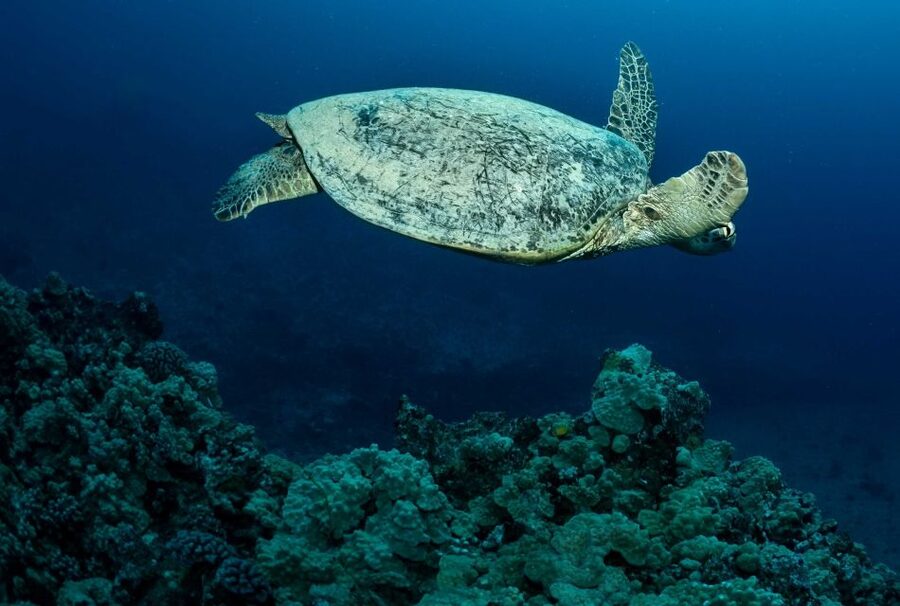
The second guided session lasts another hour, now with the reef in full nighttime conditions. Your complimentary dive light becomes central to the experience. Instead of taking in a broad view, you scan the water in sections, following the beam and the guide’s signals.
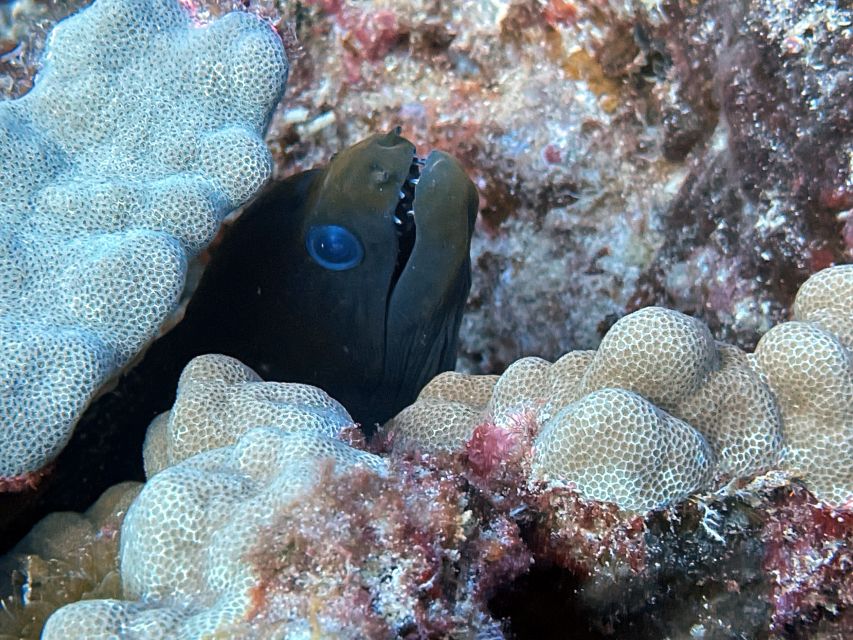
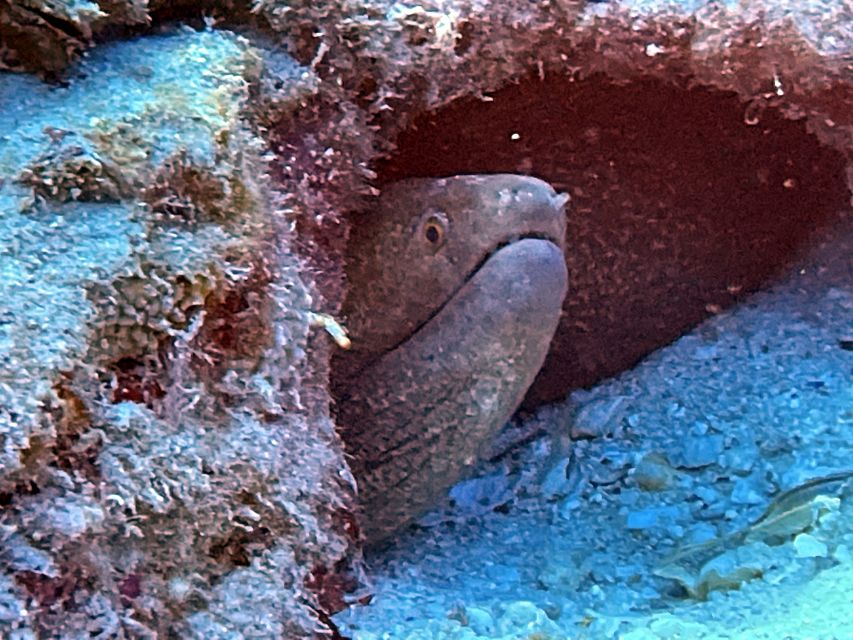
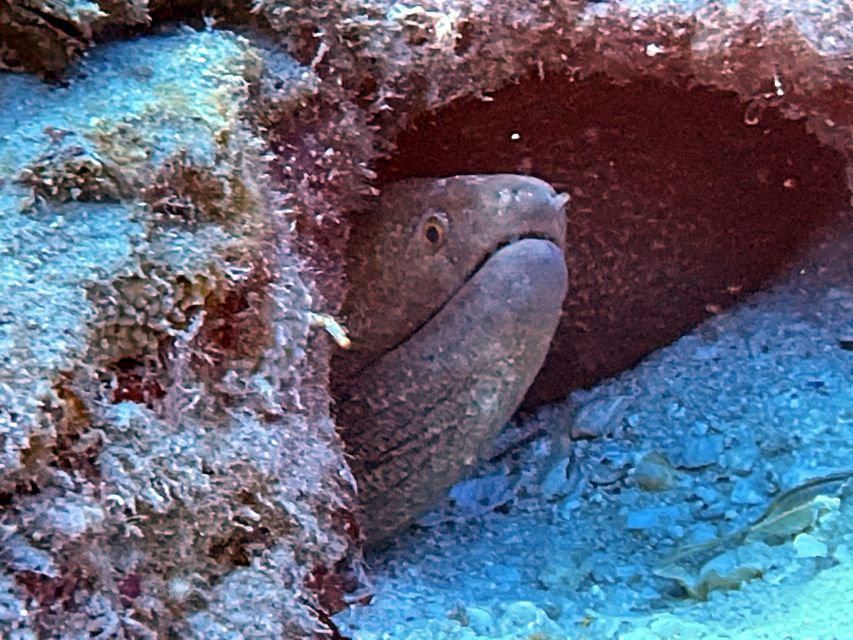
Night conditions can make familiar animals seem unfamiliar. An eel may appear only as a face in a crevice. A ray can pass through the edge of your light and vanish again. Small crabs, octopus, and other bottom-dwelling creatures may be easier to notice because you are looking closely rather than taking in the whole reef at once.
The activity description also lists dolphins among possible sightings. That is an appealing possibility, but it is not a promise. The same applies to sharks, turtles, and rays. I would book this for the unusual setting and guided nighttime format, not for a guaranteed encounter with a particular animal.
The second session is likely to suit certified divers who enjoy a stronger sense of adventure. Complete darkness can be thrilling, but it can also be tiring or uncomfortable if you dislike limited visibility. You should be confident with your certification skills and able to stay calm while working with a light and following the guide.
What the $248 price really covers
At $248 per person, this is not a budget activity. The price makes more sense when you count what is included: two guided underwater sessions, two tanks, a wetsuit, BCD, fins, weights, a dive light, snacks, refreshments, and use of a boat with a restroom and deck space.
If you already own all your gear and can arrange local boat trips for less, you may find the price high. For a visitor who needs equipment rental and wants a guide to organize both sessions, the package is easier to justify. You avoid piecing together tanks, lights, weights, and a wetsuit from separate suppliers.
The two-session structure adds value, too. You get a twilight session and a later nighttime session rather than one short look at the reef. The 30-minute break keeps the schedule active without turning the evening into a long, complicated outing.
One verified booking gave the experience a 5 out of 5 rating and described it as amazing. The overall score shown for six reviews is 3.6 out of 5, so the response is mixed rather than uniformly glowing. With that in mind, I would focus your decision on the practical fit: certification, comfort in dark water, price, and the appeal of nighttime marine life.
Who should book this evening trip
This activity suits certified divers who want to see Oahu from a different angle. It is especially fitting if you have already spent time on daytime water activities and want something quieter, stranger, and more focused.
You will likely appreciate it if you:
- Hold a current scuba certification and can show proof
- Feel comfortable swimming and managing your equipment
- Enjoy searching for smaller marine creatures
- Like guided outings rather than arranging every detail yourself
- Want two sessions instead of a single short underwater visit
- Can keep 24 hours free from flying afterward
It is not a good match for a quick pre-flight activity. The no-flying rule applies for 24 hours after scuba activity, so schedule this early enough in your Hawaii visit or leave a full day before your flight.
It also does not suit children under 15, pregnant women, or people with pre-existing medical conditions. The operator requires participants to be in good health, so take that rule seriously.
Practical ways to prepare
Arrive 30 minutes early. The harbor can be more confusing than the open beach, and finding slip 8 is easier when you are not racing the clock.
Bring swimwear and a towel, and keep your certification proof handy. You do not need to arrange the main gear separately because the package includes it, but you should contact the operator in advance if you have questions about fit or personal equipment.
Plan your evening around the full three hours. The schedule includes a 25-minute safety briefing, a one-hour guided session, a 30-minute break, and a second one-hour guided session, plus movement between the boat and sites. The listed duration is three hours, so allow a little flexibility around the start and return time.
Think about the next day before booking. You cannot fly within 24 hours after the activity. This is one of the most important planning details, especially if you are visiting Oahu at the end of a Hawaii trip.
Cancellation is flexible if your plans change: you can cancel up to 24 hours ahead for a full refund. You can also reserve now and pay later, which helps if you are still arranging the rest of your schedule.
Should you book the Oahu night scuba trip?
Book it if you are a certified diver who wants two guided sessions, has room in the schedule for the 24-hour no-fly rule, and likes the idea of finding marine life by torchlight. The included tanks and equipment make the $248 easier to defend, especially if you are visiting without your own gear.
Think twice if you are watching every dollar, dislike dark water, or want guaranteed sightings of sharks, turtles, dolphins, or rays. The wildlife list describes what you might encounter, not what is assured.
For the right diver, the best reason to go is the change in mood between the two sessions. You begin with a reef at dusk, pause while the sun disappears, then return to a darker and more secretive ocean. That makes this a specialized Oahu activity, not a general sightseeing trip, and its value depends on how much that nighttime setting appeals to you.
FAQ
Where does the Oahu night scuba activity meet?
Meet at the harbor in the front row, slip 8. Look for the large picture of the turtle.
How early should I arrive?
Arrive at least 30 minutes before the scheduled start time.
How long does the activity last?
The experience lasts three hours.
How many underwater sessions are included?
You receive two guided one-hour scuba sessions at two locations off Oahu’s south shore.
Is a safety briefing included?
Yes. The safety briefing lasts about 25 minutes.
What happens between the two sessions?
You have a 30-minute surface break with snacks and refreshments.
What equipment is provided?
The package includes two tanks, a dive light, wetsuit, weights, fins, and a BCD.
Do I need scuba certification?
Yes. You must be a certified diver and present proof of certification at the boat.
Can I fly after the activity?
You must not fly within 24 hours after scuba activity.
Is parking included?
No. Parking is not included. Kewalo Basin parking costs $1 per hour, while Ala Moana Beach Park has free parking.
Who cannot take part?
The activity is not suitable for children under 15, pregnant women, or people with pre-existing medical conditions. You must also be able to swim and be in good health.
Just added around Oahu
- Koko Head E-Bike Ride and Hike Tour★ 5.0 · 3 reviews
- Waikiki: Sunset Swim & Sailing Experience★ 4.5 · 3 reviews
- Diamond Head Hike [Starts at 7:00 a.m.]★ 3.5 · 3 reviews
- Honolulu’s Waikiki Self-Guided Walking Audio Tour★ 4.5 · 3 reviews
- Oahu : Hanauma Bay Reservation+Equipment Rental★ 3.3 · 3 reviews
- Oahu: Half-Day Sunrise Semi-private Tour from Waikiki★ 3.0 · 3 reviews
- Private Whale Watching Safari from North Shore Oahu★ 5.0 · 3 reviews
- Self Guided Hike Trail to Nature Walk & Waterfall★ 3.2 · 3 reviews
Evening Experiences, compared.
Oahu’s Waikiki Coast: Moana’s Sunset Cocktail Sail
Read our review →
Three Star Deluxe Sunset Dinner Cruise and Show
Read our review →
Oahu Catamaran Waikiki Sunset on 40 Foot Catamaran: Food and BYOB
Read our review →
Browse the lists this tour appears in