
Reviewed · OAHU SHARK TOURS
Oahu Shark Dive Educational Tour (No cage)
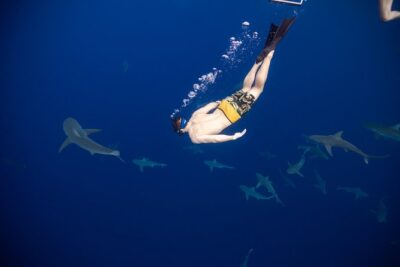
Three miles off Oahu’s North Shore, the water turns a clear, deep blue and the ocean floor drops away. Here, you can enter the open sea with wild Galapagos, sandbar, and possibly tiger sharks nearby, guided by a trained shark handler and watched by safety crew. This is a real ocean encounter, not a tank show.
I like two things right away: the group is limited to six people, and the whole outing takes about two hours, leaving your afternoon free. I also like that snorkel gear and fins are provided, while the crew explains shark behavior instead of treating the animals as mere scenery. The main drawback is simple: this is open water. Wind and waves can make the boat ride rough, and no one can promise how many sharks you will see.
- Three miles offshore: You leave Haleʻiwa Boat Harbor for a pelagic zone where several shark species may appear.
- No cage: You swim at the surface or use fins in open water, with trained staff keeping watch.
- Small group: A maximum of six people allows closer attention than a large boat operation.
- Safety comes first: The handler covers shark biology, behavior, and water procedures before you enter.
- Gear is included: Snorkel equipment and fins are supplied, with wetsuits and anti-fog treatment reported on some outings.
- Optional photo package: An underwater photographer may capture photos and video for an extra fee.
In This Review
- The Boat Leaves from Haleʻiwa Harbor
- Three Miles into the Pelagic Zone
- A Safety Briefing Before You Enter
- What the Shark Swim Feels Like
- Waialua Bay Adds More Than Sharks
- Waimea Bay and the North Shore Backdrop
- Puaʻena Point for a Quieter Beach Stop
- Is $155 a Fair Price?
- Who Will Enjoy This Most?
- Should You Book It?
- FAQ
- Where does the shark swim begin?
- How long does the activity last?
- How far offshore does the boat travel?
- Is the activity conducted inside a cage?
- What shark species might I see?
- Is snorkel equipment provided?
- How many people can join the tour?
- Are underwater photos included in the price?
- What happens if the weather is poor?
The Boat Leaves from Haleʻiwa Harbor
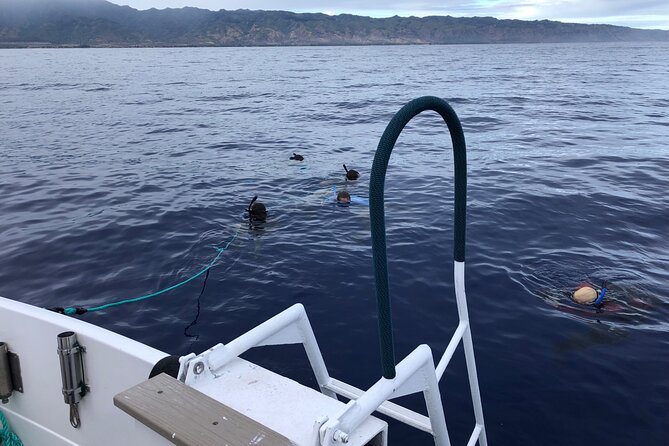
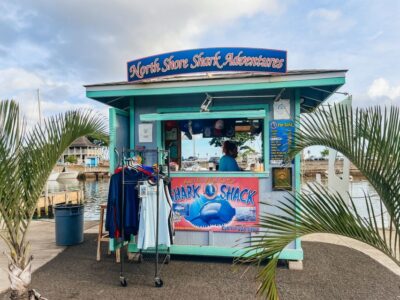
Your meeting point is Haleʻiwa Boat Harbor, in the North Shore town of Haleʻiwa. The departure point is described as easy to find, and parking directions have been useful to people arriving for early trips. Once parked, look for the company’s teal and white sign.
The tour returns to the same harbor. That makes the logistics pleasantly clean: you do not need to arrange a second pickup point, and you can plan lunch, a beach stop, or another North Shore activity afterward.
The schedule matters more than it first appears. The water portion lasts around two hours, so a morning departure leaves most of the day open. Early starts have also produced memorable wildlife sightings, including groups of sharks and, on some outings, whales or dolphins. Still, ocean conditions change by day, and a good morning is never guaranteed.
You should arrive ready for a boat trip and moderate physical activity. You will use fins and snorkel equipment in open water, so this is not the right choice if you want to stay dry or avoid the sea. The supplied information does not set out a strict swimming test, but the moderate fitness requirement is worth taking seriously.
Three Miles into the Pelagic Zone
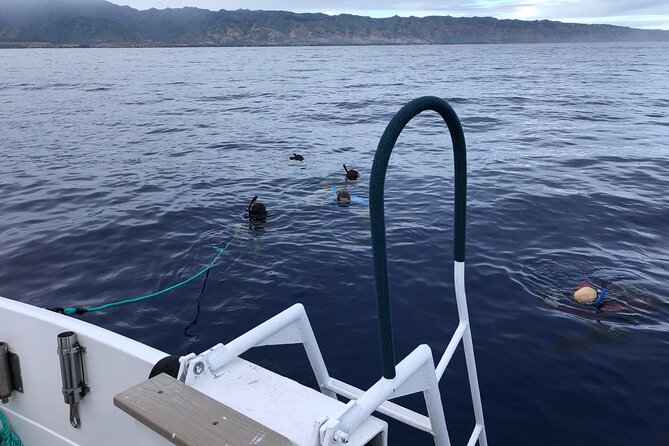
The boat heads about three miles from shore into deep ocean. That distance is part of the appeal. You are not looking into a shallow reef or an aquarium pool. You are surrounded by open water, with the island becoming a distant backdrop.
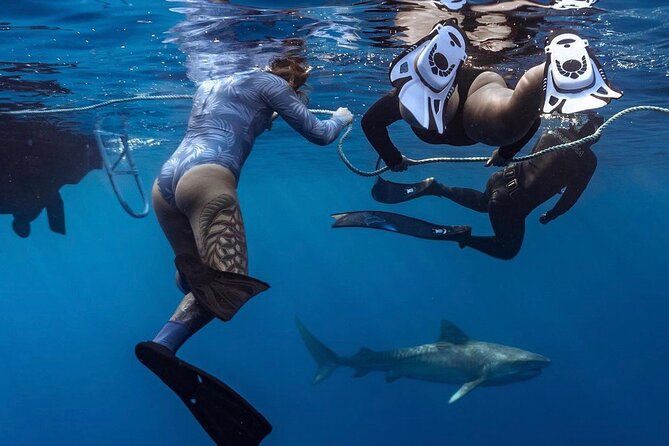
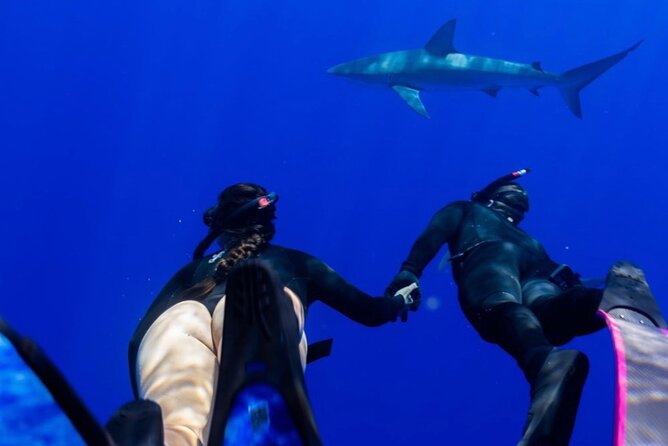
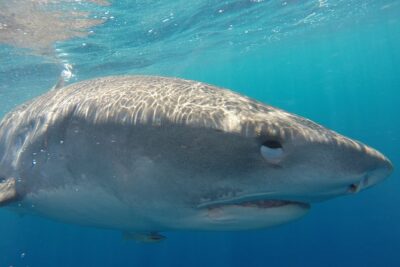
The most common shark species in this area include Galapagos and sandbar sharks, with tiger sharks possible. The exact animals and number vary. Some outings have seen around four to six Galapagos sharks, while others have had ten or more animals nearby. Tiger sharks have also appeared, including reports of three in one outing.
That variety gives the experience an honest sense of uncertainty. You may see several sharks circling close to the group, or you may have a quieter encounter. One outing had shy sharks, and the crew stayed in the water longer until one came close. Another had fewer sightings because of windy conditions. If you need a guaranteed wildlife performance, this is not it. If you appreciate the fact that the animals are wild, that unpredictability is part of the value.
The ocean can also bring extras. Humpback whales migrate to Hawaii during the winter months, and dolphins, flying fish, and other fish species may appear around Waialua Bay. These sightings are possible, not promised, but they add interest during the ride and while you are watching the water.
More shark dives off the North Shore:
- Oahu Shark Dive
★ 5.0 · 2,903 reviews - Oahu: Shark Cage Dive on the North Shore
★ 4.8 · 1,485 reviews - Shark Cage Diving on Oahu’s North Shore
★ 5.0 · 1,391 reviews
A Safety Briefing Before You Enter
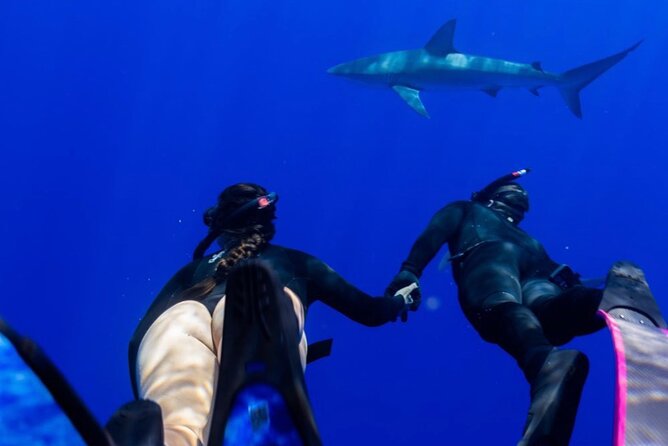
Before anyone gets in, the professional handler explains shark biology, behavior, and basic safety rules for snorkeling and fin use. That briefing is important because fear often comes from not knowing what to expect. Understanding how the crew works and how you should move gives you a calmer start.
The company uses trained safety divers in the water. Names associated with the crew include Ricky, Rachel, Parker, Nicole, Jordan, Michelle, Frankie, and several captains, though the exact team can vary by departure. Ricky has been singled out for his clear explanations and calm manner, while Rachel has been praised for her steady guidance. The crew’s job is to watch the group, help anyone who feels uncertain, and position themselves between people and sharks when needed.
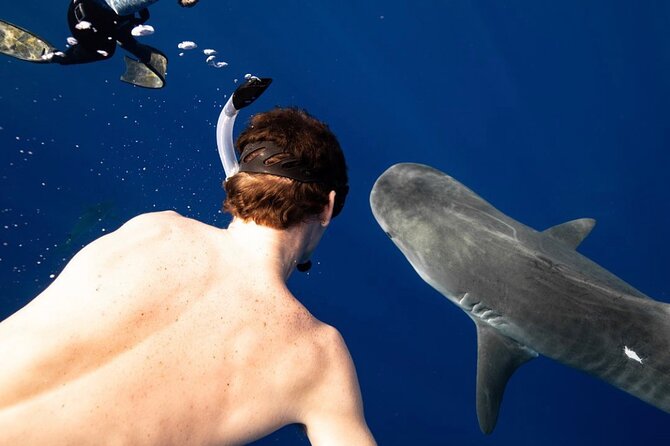
That does not make the encounter risk-free. You are still in open ocean with large wild animals, and you must follow the instructions you receive. Do not reach toward a shark, even if one passes close enough to touch. The best approach is to stay calm, listen carefully, and let the animals choose their distance.
The small group helps here. With no more than six people, staff can keep a closer eye on each person than they could on a crowded boat. That personal attention has been especially useful for first-time open-water swimmers and anyone who enters the water slowly.
What the Shark Swim Feels Like
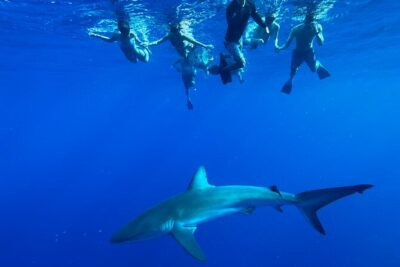
The central moment is entering the water without a cage. You will wear the provided snorkel equipment and fins, then look down into a broad field of blue. Sharks may pass below, beside, or at a comfortable distance from the group.
Many people expect the first sight of a shark to bring panic. In practice, the crew’s presence and the clear briefing can make the moment feel controlled. One person who had never used fins in open ocean still felt safe with staff nearby. Another entered the water gradually while a companion went in first. The guides allowed that slower pace instead of rushing anyone.
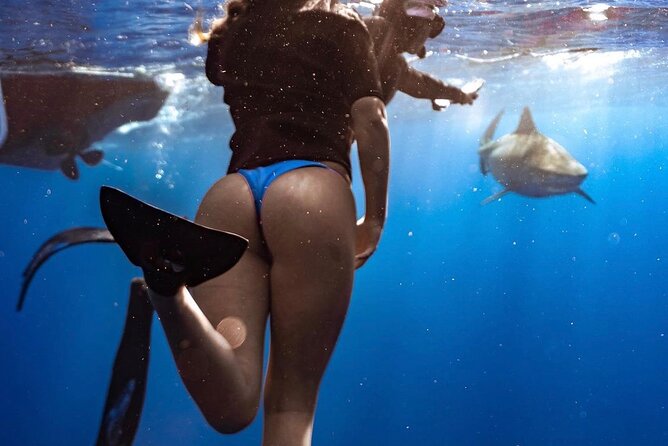
The underwater photographer may also be in the water. Parker and Nicole have been associated with the photo service, which is available for an additional fee. Parker has guided people into better positions and helped them face the camera while keeping the experience calm. Photos and video are sent digitally a few days later.
You should think of the photographer as an optional extra, not part of the base price. If this is a once-in-a-lifetime activity and you want proof of the encounter, the added cost may be worthwhile. If you prefer to keep your attention on the animals, you can skip it.
The actual time in the water can feel short. The full activity lasts about two hours, but that includes the boat ride, briefing, preparation, and return. One person wished the experience lasted longer, a fair point for an activity that takes effort to reach and then ends before the day is half over.
Waialua Bay Adds More Than Sharks
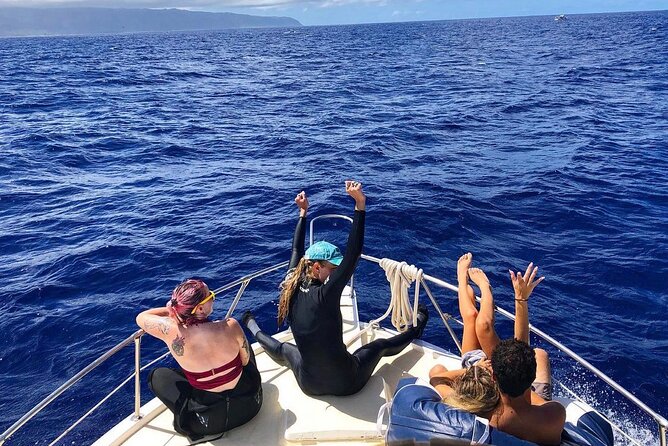
Waialua Bay is part of the marine setting around the harbor and boat route. The area supports a wide range of sea life, from Hawaiian spinner dolphins to flying fish and other fish species. During winter, humpback whales migrate through Hawaiian waters.
You might see dolphins moving below the boat or whales in the distance. You might also see nothing more than changing shades of blue. The bay is worth understanding as a living stretch of ocean, not just a launch point for the shark encounter.
This is also where sea conditions can shape the day. Wind and waves may make the ride uncomfortable, especially for anyone prone to motion sickness. One practical tip from the experience is to bring motion sickness gum if boat rides trouble you. It is a small precaution that could make the difference between enjoying the outing and spending it looking over the side.
Same island, a completely different kind of day:
- Oahu Grand Circle Island and Haleiwa Tour: 9-Hr Deluxe Experience
★ 5.0 · 17,387 reviews - Oahu: Grand Tour Around Island 16 Locations plus Snorkeling
★ 5.0 · 8,669 reviews - Parasailing Experience in Waikiki, HI
★ 5.0 · 7,692 reviews - Salute to Pearl Harbor Including USS Arizona
★ 4.5 · 7,433 reviews
Waimea Bay and the North Shore Backdrop
Waimea Bay sits along the famous North Shore and gives the day a strong sense of place. In winter, the bay is known for powerful surf and huge waves. In summer, calmer water can turn it into a turquoise swimming and snorkeling spot.
The bay itself is not the main water activity here, but its presence helps put your boat trip in context. This is a coast shaped by serious ocean power, seasonal change, and Hawaiian culture. Golden sand, steep cliffs, and the nearby Waimea Valley make the area worth more time if you have a free afternoon.
Waimea Valley has botanical gardens and a short walk to a waterfall. If you book a morning shark outing, you could use the later part of the day for that visit, provided you check current conditions and opening details separately. The tour does not include the valley visit, so plan it as your own add-on.
Puaʻena Point for a Quieter Beach Stop
Puaʻena Point Beach Park lies just east of Haleʻiwa. It is a more relaxed North Shore stop, known for mellow waves, surf lessons, shade from ironwood and palm trees, and a shoreline mixed with sand and lava rock.
Tide pools line parts of the coast, and Hawaiian green sea turtles may rest on the beach or feed around the rocks. Near-shore water can be calm enough for wading or paddling, though you should always check local conditions before entering.
Puaʻena Point makes a good contrast to the offshore shark experience. After spending time in deep water, you can return to a slower beach setting. It is not included as a separate land excursion, so treat it as a suggested place to visit around your tour rather than a scheduled stop with activities provided by the crew.
Is $155 a Fair Price?
At $155 per person, this is not a bargain beach snorkel. The price pays for a boat trip offshore, a small group capped at six, trained staff, safety divers, and supplied snorkel gear and fins. The limited capacity is especially important because personal attention matters in an open-ocean activity.
The value is strongest if you want a focused shark encounter rather than a long sightseeing cruise. You are paying for access to the deep-water area, the staff’s experience, and the chance to enter without a cage. The two-hour length is both a benefit and a limitation. It fits neatly into a day, but you may wish it lasted longer once the sharks appear.
The price does not include underwater photos and video. Those are offered separately, with digital delivery a few days later. Ask about the photo cost before entering if you are considering it.
The tour is booked about 19 days ahead on average, so this is not something I would leave until the last morning of an Oahu trip. Booking ahead also gives you room to reschedule if weather affects the departure.
Who Will Enjoy This Most?
I would recommend this for confident snorkelers, people with moderate fitness, and anyone curious about sharks beyond the usual fear-based stories. It is also a good match for couples, families with suitable older participants, and solo visitors who want a small group rather than a crowded boat.
It may work for a nervous first-timer if you are willing to listen, move slowly, and tell the crew how you feel. The staff has helped hesitant people enter the water at their own pace. Still, you should not book it simply because someone else wants you to conquer a fear. Open ocean is demanding, and the experience requires active participation.
It is less suitable if you get severe motion sickness, dislike boat travel, or need guaranteed calm water. Wind can create waves, and shark numbers can change. The company requires good weather and may cancel when conditions are poor.
Service animals are allowed, and the departure point is near public transportation. The activity ends back at Haleʻiwa Boat Harbor. Confirmation arrives at booking, and free cancellation is available up to 24 hours before the start time. Inside that window, the payment is not refunded. If weather causes the cancellation, you are offered another date or a full refund.
Should You Book It?
If swimming near wild sharks without a cage has been on your list for years, I would book this one, provided you accept the ocean’s rules. The strongest reasons are the six-person maximum, the careful safety presence, the biology briefing, and the chance to see Galapagos, sandbar, or tiger sharks in their natural setting.
Book it for the quality of the encounter, not for a guaranteed number of sharks. Choose a morning if that fits your plans, keep the rest of the day flexible, and consider motion sickness gum if boat rides are hard on you. At $155, it is a serious splurge, but the combination of a personal crew, open-ocean access, and a short time commitment gives it solid value for the right person.
FAQ
Where does the shark swim begin?
The tour begins at Haleʻiwa Boat Harbor, Haleiwa, Hawaii. It ends back at the same meeting point.
How long does the activity last?
The experience lasts approximately two hours, including the boat trip and time connected with the shark swim.
How far offshore does the boat travel?
The boat travels about three miles from Oahu’s North Shore into a pelagic, deep-water area.
Is the activity conducted inside a cage?
No. The activity is designed for swimming with sharks without a cage, under the direction of a trained shark handler and safety crew.
What shark species might I see?
Common resident species include Galapagos and sandbar sharks. Tiger sharks are also possible, along with other species found in deep water.
Is snorkel equipment provided?
Yes. Snorkel equipment and fins are provided. Wetsuits and anti-fog treatment have also been supplied on some outings.
How many people can join the tour?
The maximum group size is six people.
Are underwater photos included in the price?
No. An underwater photographer may be aboard, but photos and video are offered for an additional fee and are sent digitally a few days later.
What happens if the weather is poor?
The activity requires good weather. If it is canceled because of poor conditions, you can choose another date or receive a full refund. You can also cancel for a full refund if you do so at least 24 hours before the start time.
Just added around Oahu
- Koko Head E-Bike Ride and Hike Tour★ 5.0 · 3 reviews
- Waikiki: Sunset Swim & Sailing Experience★ 4.5 · 3 reviews
- Diamond Head Hike [Starts at 7:00 a.m.]★ 3.5 · 3 reviews
- Honolulu’s Waikiki Self-Guided Walking Audio Tour★ 4.5 · 3 reviews
- Oahu : Hanauma Bay Reservation+Equipment Rental★ 3.3 · 3 reviews
- Oahu: Half-Day Sunrise Semi-private Tour from Waikiki★ 3.0 · 3 reviews
- Private Whale Watching Safari from North Shore Oahu★ 5.0 · 3 reviews
- Self Guided Hike Trail to Nature Walk & Waterfall★ 3.2 · 3 reviews
Oahu Shark Tours, compared.
Safe and Educational Shark Dive from Haleiwa: Sharks Guaranteed
Read our review →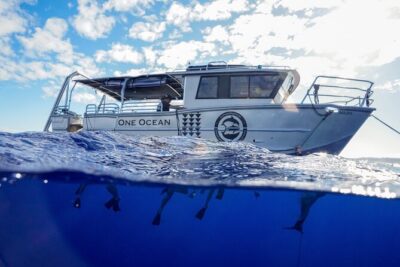
Dive with Sharks in Hawaii: Shark Tour from Haleiwa
Read our review →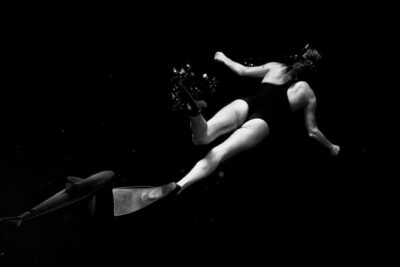
Shark Cage Diving On “The World Famous North Shore of Oahu”, Hawaii
Read our review →Browse the lists this tour appears in