
Reviewed · SCUBA DIVING
Open Water Scuba Certification
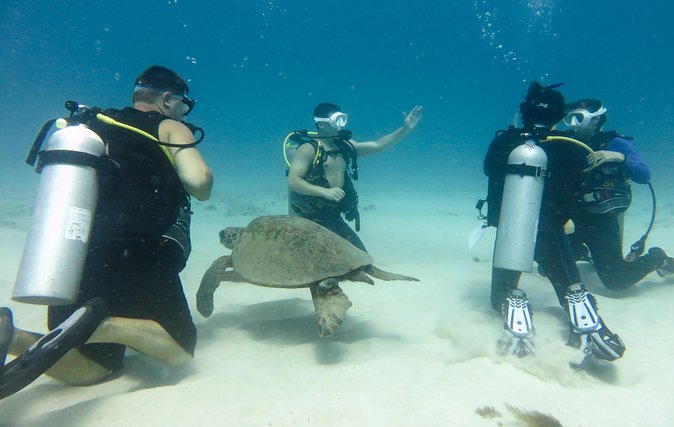
Hawaii is a fine place to earn your first scuba credential because your classroom is not a swimming pool alone. This four-day course takes you from digital study and beach training to four local ocean sessions, where coral reefs, sea turtles, octopuses, and tropical fish may become part of the lesson.
I like the small maximum group of eight, which gives an instructor room to watch your technique and help when breathing underwater feels strange. I also like the course layout: two training days on one weekend, two more days on the next, so you have time between sessions to absorb the skills.
The main drawback is the schedule. This is designed around two consecutive weekends, with 7 a.m. starts, and you need your own transportation. It is a poor match for a short Honolulu stay or a vacation packed with changing plans.
In This Review
- Key points to know before booking
- What this Honolulu course actually teaches
- Day one: final exam and beach-based training
- Day two: your first two ocean sessions
- The second weekend: more confined-water work
- Day four: the final two check-out sessions
- Equipment: what the $495 price covers
- Why the small class size matters
- Getting there and planning your Honolulu stay
- Health, flights, and the cancellation risk
- Who will get the most from this certification
- Should you book the Honolulu SSI course?
- FAQ
- How long does the Open Water Scuba Certification course take?
- What time and where does the course begin?
- What is included in the $495 price?
- Which equipment do I need to provide?
- Do I need to complete online study before class?
- What certification do I receive?
- Can I fly soon after completing the course?
Key points to know before booking
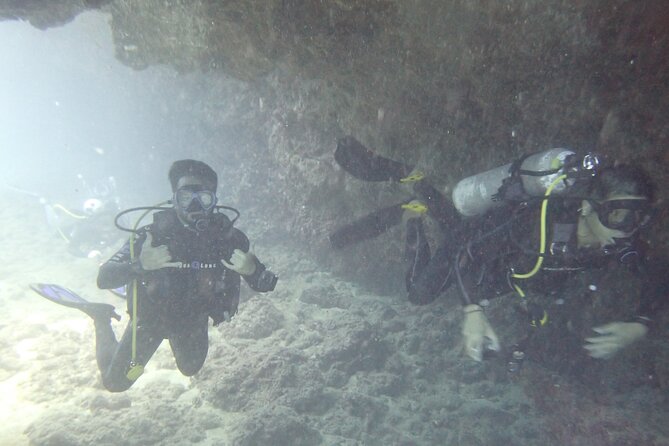
- Four training days over two weekends: You complete study, confined-water practice, and four open-water check-out sessions.
- Small class size: The course accepts no more than eight people, though the final group size may vary.
- SSI certification included: Finish the required work and you earn an Open Water Scuba Certification from Scuba Schools International.
- Some personal gear is extra: All scuba equipment is supplied, but mask, snorkel, fins, and boots are not included.
- Early Honolulu meeting time: Meet at Honolulu Scuba Company, 670 Auahi Street, Suite A-1, at 7 a.m.
- Health and flight rules matter: You complete a health questionnaire, and flying within 48 hours after scuba activity is not recommended.
What this Honolulu course actually teaches
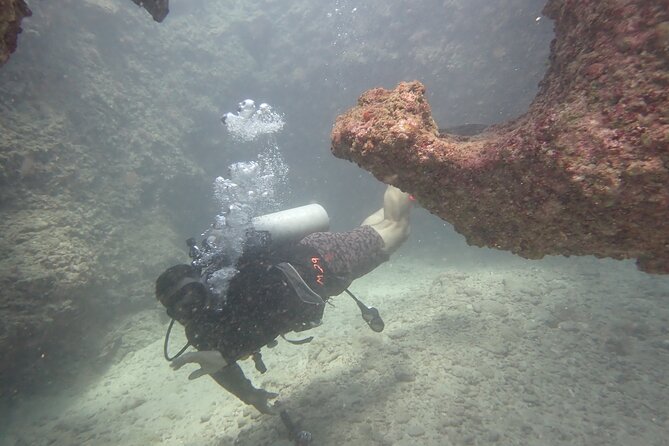
This is not a one-time introductory swim with an air tank. It is a full entry-level certification course, and you finish with the basic skills needed to continue scuba activity as an SSI-certified diver.
Before the first in-person session, you must complete digital learning and the required knowledge development. The company provides access, but you need to contact it directly to receive that access. You then review the final exam with an instructor on day one.
That preparation is useful. Underwater, you do not want your first lesson in equipment safety, breathing control, or emergency procedures to happen while you are trying to stay calm. The online work lets you meet the basic ideas first, then use class time for questions and hands-on practice.
You should expect a moderate level of physical fitness. You will be handling scuba equipment, entering the water, practicing skills, and spending time in an ocean setting. A health questionnaire is required before participation, and conditions such as asthma or heart problems may prevent you from scuba activity. If you have a medical concern, speak with your doctor before booking.
More dive trips off Oahu:
- First-Time Scuba Diving in Honolulu + Free Videos
★ 5.0 · 3,123 reviews - Shark Cage Diving on Oahu’s North Shore
★ 5.0 · 1,391 reviews - Beginner Scuba Diving Experience with Video Package in Honolulu
★ 5.0 · 877 reviews
Day one: final exam and beach-based training
The first class begins at 7 a.m. at Honolulu Scuba Company on Auahi Street. You should arrive ready for a serious training day rather than a casual morning outing.
The day starts with a review of the final exam and moves into confined-water training from the beach. This is where you learn how the equipment works and practice the basic actions that later let you manage yourself underwater.
The beach setting has a practical advantage. You can focus on each skill in a controlled area before heading farther into open water. If you are nervous about breathing through a regulator, this is the time to slow down, ask questions, and repeat the exercise until it feels more natural.
Instructor quality matters greatly here. Past classes have been led by people including Lenny, Theo, Nick, Jake, Ed, Chandler, Hunter, Anna, and Jess. The strongest pattern in the feedback is not one particular teaching style, but patience, clear explanations, and a willingness to help students who feel uneasy.
That is especially important for first-timers. Learning to breathe underwater can feel awkward at first, and you also have to remember hand signals, equipment procedures, and body position. A good instructor does not rush that process. Chandler, Hunter, Anna, and Ed received especially warm praise for helping students build confidence without pushing them past their comfort level.
Day two: your first two ocean sessions
On the second day, you complete two scuba sessions in the ocean. This is the point when the classroom knowledge and beach practice begin to feel useful.
You will use the equipment, follow the skills taught on day one, and work under instructor supervision. The goal is not simply to look at fish. These sessions test whether you can apply the required techniques in open water and stay comfortable while doing so.
Hawaii adds a strong reward to this part of the course. The underwater setting may include coral reefs, tropical fish, sea turtles, and octopuses. Wildlife sightings are never guaranteed, and conditions can change, but the chance to practice in a real reef environment gives the certification a memorable sense of place.
I like this structure because your first ocean sessions happen before the course is over. You are not left with only pool practice and a certificate. You get an early look at what recreational scuba can feel like in Hawaii, while an instructor is still guiding you through the process.
The tradeoff is that ocean conditions can make the experience more demanding than confined water. You need to stay attentive to instructions and your own comfort. The course is about building safe habits, not chasing the best possible wildlife encounter.
The second weekend: more confined-water work
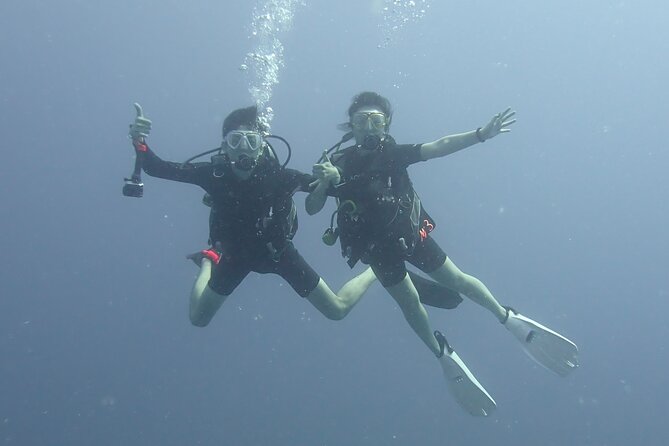
The third day returns to confined-water training. That may seem repetitive, but repetition is exactly what you want before the final check-out sessions.
You can revisit skills that did not feel automatic during the first weekend. You also have time to raise questions that came to mind after your first ocean experience. For a new scuba student, this pause between weekends is valuable because you have a chance to think about what felt easy, what felt confusing, and what you need to practice again.
The two-weekend format also suits people who live on Oahu or can arrange a longer stay. It is less suitable for someone trying to squeeze certification into four consecutive vacation days. The four class days are spread across two consecutive weekends, so check your calendar carefully before paying.
Same island, a completely different kind of day:
- Oahu Grand Circle Island and Haleiwa Tour: 9-Hr Deluxe Experience
★ 5.0 · 17,387 reviews - Oahu: Grand Tour Around Island 16 Locations plus Snorkeling
★ 5.0 · 8,669 reviews - Parasailing Experience in Waikiki, HI
★ 5.0 · 7,692 reviews - Salute to Pearl Harbor Including USS Arizona
★ 4.5 · 7,433 reviews
Day four: the final two check-out sessions
The last class includes two final open-water check-out sessions. By this stage, you have completed the digital learning, reviewed the exam, practiced from the beach, and logged two ocean sessions.
These final sessions are your chance to show that you can use the required skills in open water. Once you complete the training, you earn an SSI Open Water Scuba Certification and have four local scuba sessions recorded.
The certification is the lasting value here. You are not simply purchasing a scenic water activity. You are paying for instruction that can become the foundation for future scuba trips, provided you keep practicing and follow SSI requirements.
I would still keep expectations realistic. Certification does not turn you into an advanced underwater specialist in four days. It gives you an entry-level qualification and a starting point. Your comfort will grow with experience, and your future activities will still depend on conditions, operators, and your own judgment.
Equipment: what the $495 price covers
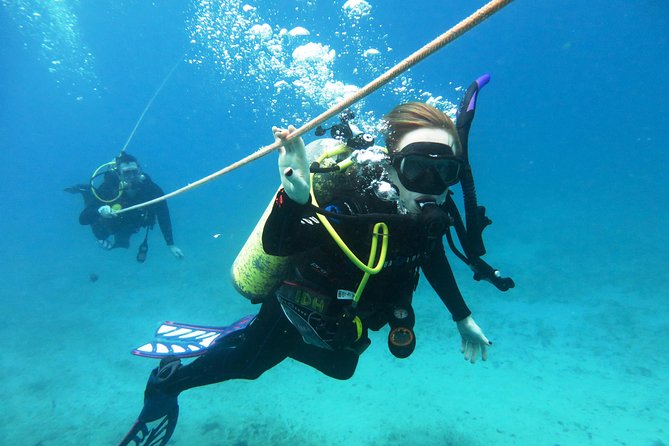
The listed price is $495 per person. That includes professional instruction and use of scuba equipment, which makes the fee easier to understand than a basic sightseeing trip price.
There is one important equipment catch. You must supply your own mask, snorkel, fins, and boots, or budget from $175 for those items through the company. Read that detail carefully before booking, since the advertised price does not cover this personal set.
A well-fitting mask is particularly important for comfort. You should ask the company exactly what gear option applies to your booking and what the starting price includes. If you already own suitable equipment, you may be able to avoid that additional cost, but the supplied course details make clear that these four items are not part of the standard inclusion.
At $495, the course can be good value if you want certification and plan to scuba again. It is not the best financial choice if you only want a one-day look at Hawaii’s reefs. In that case, a shorter introductory activity may make more sense, though it would not provide the same qualification or training time.
Why the small class size matters
The maximum of eight people is one of the more useful details in the course description. Scuba training involves more than listening to an explanation. An instructor needs to notice how you handle equipment, respond to instructions, and manage your comfort in the water.
A smaller group can make it easier to ask questions without feeling lost in a crowd. It also gives the instructor more opportunity to watch individual students during skills practice.
That does not mean every class will feel private. Eight students is still a group, and the actual instructor arrangement can vary. But compared with a large resort activity, the class limit supports a more personal learning environment.
The teaching feedback is strongest around calm, friendly instruction. Lenny is described as patient, while Theo is praised for clear explanations. Hunter, Anna, Chandler, Ed, and Jess are also singled out for professionalism, humor, safety, and encouragement. Those details matter more here than flashy promises, since your confidence depends on the instructor in front of you.
Getting there and planning your Honolulu stay
You meet at Honolulu Scuba Company, 670 Auahi Street, Suite A-1, Honolulu, Hawaii 96813. The activity ends back at the meeting point.
Private transportation is not included, and you need your own transportation. That makes this course easier for people staying nearby or renting a car. If you are relying on buses, rides, or hotel transport, work out the 7 a.m. arrival before booking.
The early start is practical for a water-training day, but it affects your holiday rhythm. You will need to be organized across four mornings, not just one. I would avoid placing late-night activities before class days, since being rested and focused is part of good scuba preparation.
The mobile ticket is convenient, but it does not change the fixed schedule. Confirmation is provided when you book, and the company must also provide access to the required digital learning. Contact the operator promptly if that access does not arrive.
Health, flights, and the cancellation risk
You must complete a health questionnaire before scuba activity. Some medical conditions can rule out participation, so this is not a detail to leave until the morning of class.
Flying soon after scuba activity is also a serious planning issue. The supplied guidance does not recommend flying within 48 hours of scuba activity. If you are visiting Oahu at the end of a larger Hawaii trip, place the course early enough that your flight home does not fall inside that window.
The cancellation terms are strict. The experience is non-refundable and cannot be changed for any reason, including a cancellation or amendment request. I would only book once you are confident about your health, transport, flight schedule, and availability for both weekends.
One past booking problem involved illness shortly before the in-person course, which shows why this policy deserves attention. You should read the current terms carefully and consider the risk before making a non-refundable commitment.
Who will get the most from this certification
I would recommend this course to you if you want a real scuba credential, can commit to two consecutive weekends, and expect to use the certification again. It also suits nervous beginners who value calm instruction and repeated practice more than a rushed schedule.
It is a good fit for people who want to learn in Hawaii rather than complete the course at home. The reef setting and possible sightings of turtles, octopuses, and tropical fish give the training a memorable reward.
I would hesitate if you have only a few free days in Honolulu, dislike fixed early starts, or want a simple sightseeing outing. You also need to plan for the separate mask, snorkel, fins, and boots cost, plus your own transportation.
Should you book the Honolulu SSI course?
Book it if the certification itself is your goal and you can protect the full four-day schedule. The price includes instruction, scuba equipment, four local sessions, and an SSI qualification, making it a sensible investment for someone who intends to continue scuba activity.
Think twice if you are mainly shopping for a cheap reef visit. This course asks for study, practice, physical effort, early mornings, and a strict commitment across two weekends. For the right person, that structure is the point. You finish with more than photographs: you leave with skills, logged experience, and a new way to explore the Pacific.
FAQ
How long does the Open Water Scuba Certification course take?
The course takes approximately four days over two consecutive weekends. Day one and day two take place on the first weekend, followed by day three and day four on the next weekend.
What time and where does the course begin?
You meet at 7 a.m. at Honolulu Scuba Company, 670 Auahi Street, Suite A-1, Honolulu, Hawaii 96813.
What is included in the $495 price?
The price includes a professional guide and use of scuba equipment. It also includes the digital learning required for the course.
Which equipment do I need to provide?
You must bring your own mask, snorkel, fins, and boots, or use the company’s available option, with prices starting at $175.
Do I need to complete online study before class?
Yes. Digital learning is included and required before the first in-person class. You need to contact the company directly for access.
What certification do I receive?
After completing the training, you earn an Open Water Scuba Certification from Scuba Schools International, also called SSI. You will also have four local scuba sessions logged.
Can I fly soon after completing the course?
Flying within 48 hours of scuba activity is not recommended. You must also complete a health questionnaire, and some medical conditions may prevent participation.
Just added around Oahu
- Waikiki: Sunset Swim & Sailing Experience★ 4.5 · 3 reviews
- Koko Head E-Bike Ride and Hike Tour★ 5.0 · 3 reviews
- Diamond Head Hike [Starts at 7:00 a.m.]★ 3.5 · 3 reviews
- Honolulu’s Waikiki Self-Guided Walking Audio Tour★ 4.5 · 3 reviews
- Oahu : Hanauma Bay Reservation+Equipment Rental★ 3.3 · 3 reviews
- Oahu: Half-Day Sunrise Semi-private Tour from Waikiki★ 3.0 · 3 reviews
- Private Whale Watching Safari from North Shore Oahu★ 5.0 · 3 reviews
- Self Guided Hike Trail to Nature Walk & Waterfall★ 3.2 · 3 reviews
Scuba Diving, compared.
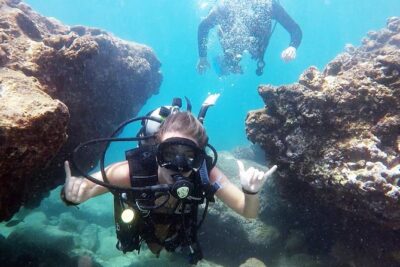
First-Time Scuba Diving in Honolulu + Free Videos
Read our review →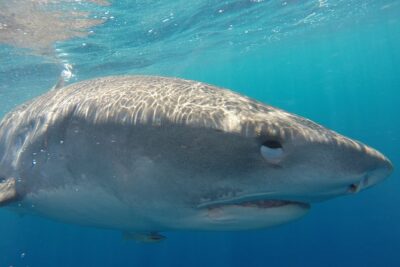
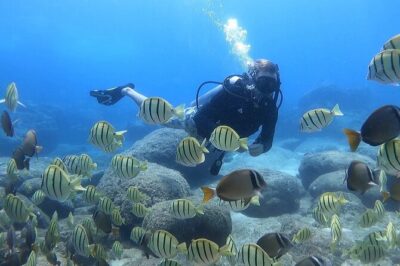
Beginner Scuba Diving Experience with Video Package in Honolulu
Read our review →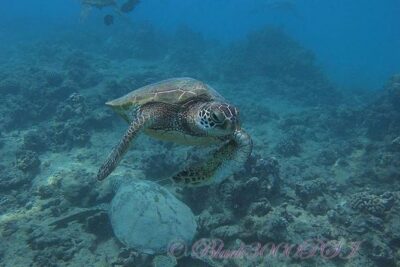
Incredibly Fun Coral Reef Giant Sea Turtles 4hour Boat Scuba Tour
Read our review →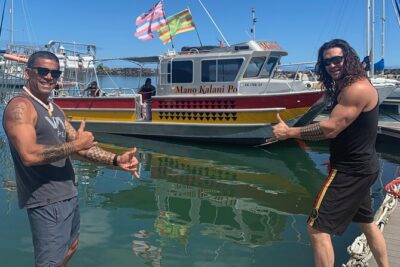
Shark Cage Diving On “The World Famous North Shore of Oahu”, Hawaii
Read our review →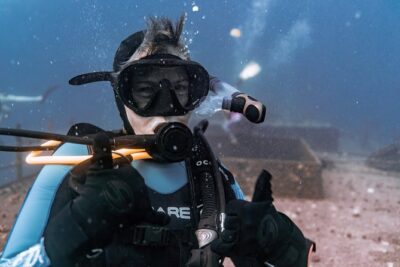
Waikiki 2 Tank World Class Wreck SCUBA Diving – Certified Only
Read our review →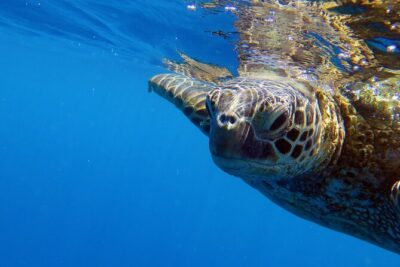
Browse the lists this tour appears in