
Reviewed · OAHU TROLLEY & HOP-ON BUS TOURS
Waikiki Trolley Red Line Heroes & Legends Hop-on Hop-off Tour
The most useful thing about the Waikiki Trolley Red Line is the ground it covers. In one ride, you move from Waikiki beach life to the Hawaii State Capitol, Chinatown, Punchbowl Crater, Honolulu Harbor, and Kakaʻako. It is a quick way to see how the resort district fits into the larger city.
I like the history-focused narration, especially the stories about Hawaii’s monarchy, local heroes, and World War II. I also like the open-air trolley, which gives you a better view than a sealed bus. The catch is timing: buses can be crowded, and the wait between vehicles may reach an hour.
In This Review
- Key points to know before you ride
- Why this is a useful first-day Honolulu ride
- Waikiki Shopping Plaza to the Duke statue
- Honolulu Museum of Art and the Hawaii State Capitol
- Punchbowl Crater and the National Memorial Cemetery
- Foster Botanical Garden and the Izumo Taishakyo Mission
- Chinatown, downtown, and the King Kamehameha statue
- Aloha Tower, Honolulu Harbor, and Kakaʻako
- Ala Moana Regional Park and the return toward Waikiki
- How the hop-on system really works
- Is $35 a fair price?
- Who should book the Red Line
- Should you book this Honolulu trolley tour?
- FAQ
- Where does the Waikiki Trolley Red Line stop?
- How long does the Red Line tour take?
- Can I get off and board again later?
- Is the tour offered in English?
- Is the Honolulu Museum of Art open every day?
- What is the cancellation policy?
Key points to know before you ride
- Punchbowl and downtown are the Red Line’s strongest stretch: You get monuments, government buildings, museums, and city views in a compact ride.
- Guides shape the experience: Chico, Sam, Chuck, Turk, and Big Tony are praised for humor, clear historical stories, and helpful local detail.
- Plan for a sightseeing ride first: The full route may take about two hours in real traffic, even though the listed ride time is about 1 hour 20 minutes.
- Hop-on freedom has limits: You can get off at stops, but the next trolley may not arrive for a long time.
- Stop signs can be hard to spot: Confirm the exact pickup point, especially around Ala Moana Park, Ala Moana Center, and other large areas.
- The $35 price is fair for an introduction: It works best when you want orientation and commentary, not simply the cheapest way across town.
Why this is a useful first-day Honolulu ride
Honolulu can feel scattered when you first arrive. Waikiki, downtown, Chinatown, Punchbowl, the harbor, and Ala Moana each have a different mood, and ordinary maps do not always show how close they are.
The Red Line gives you that first mental picture. You begin in Waikiki, pass the Duke Paoa Kahanamoku Statue, then head toward the city’s civic and cultural center. Instead of spending your first day guessing which districts deserve your time, you can use the trolley to mark places for a later visit.
The driver-guide adds the part a regular city bus cannot. Guides such as Chico and Big Tony have been praised for explaining Hawaiian names, royal history, monuments, and local landmarks. Sam and Chuck are also singled out for friendly, funny presentations. The quality depends on who is driving, but the best guides turn the route into a moving history lesson rather than a basic transfer.
This is not a polished luxury coach. Wooden seats, engine noise, wind, and a crowded cabin are part of the deal. Sit near the front if hearing the commentary matters to you. The rear can be noisy, and wind may make every word difficult to catch.
More trolley and hop-on bus passes:
- Waikiki Trolley Hop-On Hop-Off Tour of Honolulu
★ 4.5 · 4,783 reviews - Waikiki Trolley Blue Line Coastline & Local Grindz Hop-on Hop-off
★ 5.0 · 4,159 reviews - Oahu: Waikiki Trolley Hop-on Hop-off All-Line Pass
★ 4.4 · 810 reviews
Waikiki Shopping Plaza to the Duke statue
The usual starting point is Waikiki Shopping Plaza, a handy place to begin if you are staying near the resort center. From there, the trolley heads to the Duke Paoa Kahanamoku Statue, one of Waikiki’s most recognizable landmarks.
Duke Kahanamoku was an Olympic swimmer and a major figure in the spread of modern surfing. The stop gives the route an early sense of place. Waikiki is not just hotels and shopping, and the statue points to the area’s connection with Hawaiian water culture.
The Twin Fin Hotel follows. This stop is useful for visitors staying nearby, though it is less important as a sightseeing target than the downtown stops later in the route. If you are riding without getting off, the early portion helps you settle into the trolley and listen for the guide’s overview.
You can board at these Waikiki stops and remain on for the full circuit. That is often the smartest first ride. Watch the route, note where you want to return, and save the hop-on option for a second pass if the schedule works.
Honolulu Museum of Art and the Hawaii State Capitol
The Honolulu Museum of Art, usually called HoMA, is one of the most worthwhile stops if you want more than outdoor sightseeing. You can use the trolley as transport to the museum, then continue later, but check its opening days before planning your stop. It is closed Monday and Tuesday according to the practical information provided for the tour.
The museum stop also shows why this line is more useful than a simple Waikiki loop. You are reaching Honolulu’s cultural institutions rather than only circling hotels and beaches.
Next comes the Hawaii State Capitol. The building and surrounding civic area give you a look at modern Hawaii’s government center. The guide may also connect the area to the islands’ royal past, which helps explain the shift from monarchy to state government.
I would not treat this section as a rushed photo stop if you want to visit the museum or inspect the Capitol area. Getting off can be worthwhile, but remember that the next trolley may not appear soon. If you have a fixed dinner, flight, or afternoon booking, stay aboard and return later by another method.
Punchbowl Crater and the National Memorial Cemetery
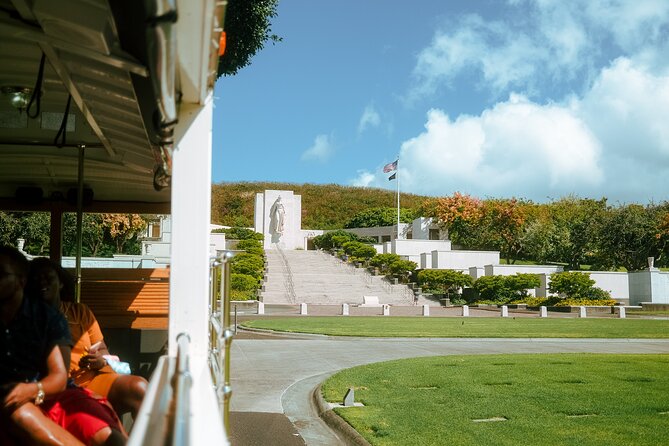
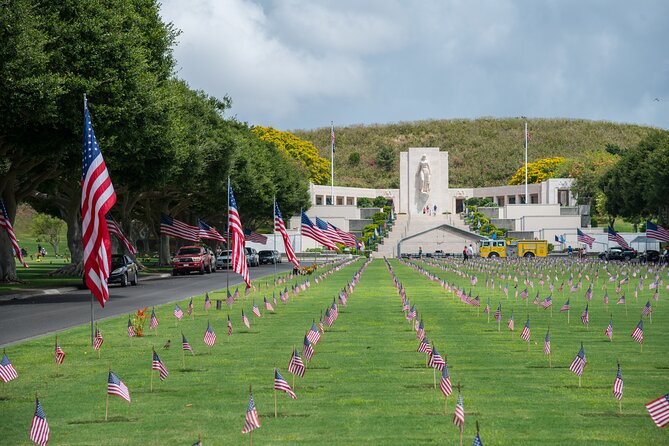
The Red Line’s trip to the National Memorial Cemetery of the Pacific at Punchbowl Crater is one of its most memorable sections. The cemetery sits within a volcanic crater, and the setting gives this stop a quiet, formal character that contrasts with Waikiki’s commercial energy.
You can expect the driver to discuss military history and the people honored here. World War II is part of the wider narration, and this stop gives those stories a physical setting. The cemetery is not just another lookout. It is a memorial site, so respectful behavior and a calm pace are appropriate.
The road toward Punchbowl also gives you a change in elevation and wider views over Honolulu. Keep your camera ready, but do not expect every angle to be easy from a moving, open trolley. Seats can fill quickly, and passengers may block views on crowded departures.
Several people rate this as the most affecting part of the route. I can see why. It offers a real sense of Honolulu’s history without requiring a full-day military tour. If you are already taking a separate Pearl Harbor tour, some of the war-related material may repeat, but the cemetery itself remains a different kind of stop.
Same island, a completely different kind of day:
- Oahu Grand Circle Island and Haleiwa Tour: 9-Hr Deluxe Experience
★ 5.0 · 17,387 reviews - Oahu: Grand Tour Around Island 16 Locations plus Snorkeling
★ 5.0 · 8,669 reviews - Parasailing Experience in Waikiki, HI
★ 5.0 · 7,692 reviews - Salute to Pearl Harbor Including USS Arizona
★ 4.5 · 7,433 reviews
Foster Botanical Garden and the Izumo Taishakyo Mission
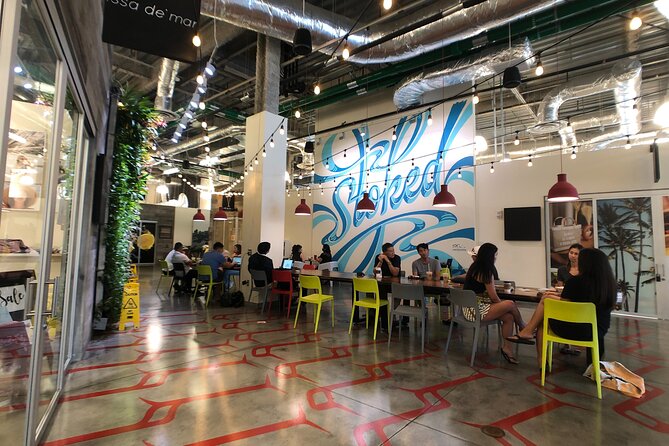
Foster Botanical Garden is the route’s chance to pause among plants and old Honolulu surroundings. The tour information does not promise a guided garden visit, so think of this as a convenient access point rather than a complete garden tour.
The next area brings you to the Izumo Taishakyo Mission of Hawaii and Royal Kitchen. This part of the route is valuable because it widens your view of Honolulu’s cultural mix. The city’s story is not limited to Hawaiian royalty and American military history. Japanese religious and food traditions are also part of the urban fabric.
You may find these stops more rewarding if you have already seen the major monuments and want details that feel less obvious. They also make clear why getting off everywhere is not practical in one day. Each stop has a different purpose, and the long intervals between trolleys can turn a short visit into a slow afternoon.
Chinatown, downtown, and the King Kamehameha statue
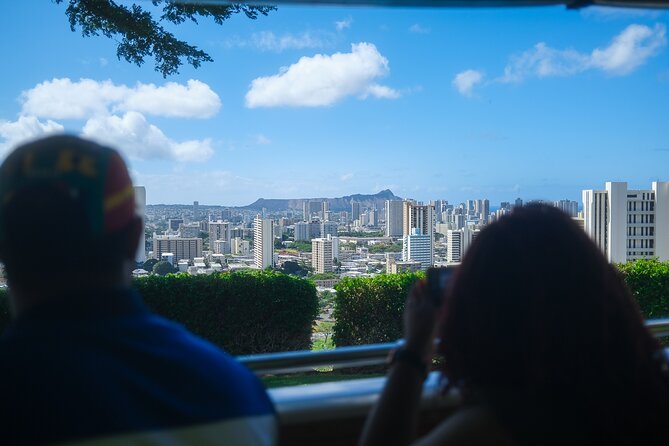
Chinatown is one of the most talked-about stops on this route, both for its food and for its rougher edges. You can get off near downtown Honolulu and Hawaii Theatre, then explore on foot if you want restaurants, markets, and older city streets.
I would keep your expectations sensible. This is an urban district, not a tidy resort zone. Some visitors find it interesting and worth a meal, while others prefer not to linger. The trolley gives you an easy look without forcing you to spend a long time there.
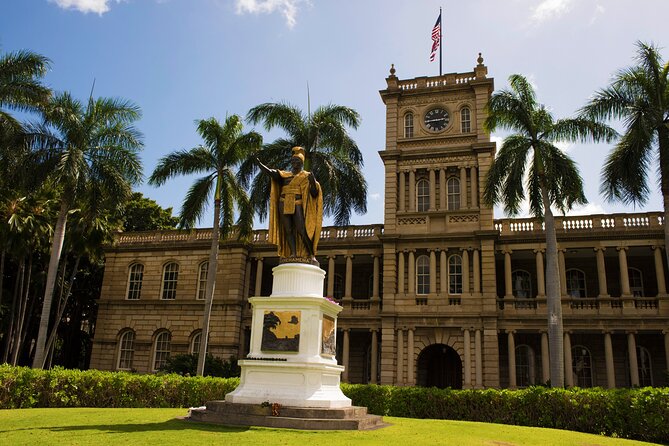
Hawaii Theatre adds architectural interest, and the downtown stretch brings the city’s older commercial core into view. You then reach the King Kamehameha Statue, one of Honolulu’s essential landmarks. King Kamehameha I united the Hawaiian Islands, and the statue is a natural place for the guide to explain the monarchy and the political story of Hawaii.
This is one of the best sections for photographs, especially if the trolley pauses long enough. If you want a picture without a crowd, getting off may help, but first ask where and when the next trolley returns. Pickup points are not always obvious.
Aloha Tower, Honolulu Harbor, and Kakaʻako
Aloha Tower Marketplace provides a brief sightseeing break near Honolulu Harbor. The harbor has long been an entry point to the city, and the tower helps connect present-day Honolulu with its maritime past.
The stop is short, so do not plan an elaborate harbor visit unless you know the schedule allows it. It works well as a quick stretch, photo, or orientation point. The trolley then continues to SALT at Our Kakaʻako, a modern district known for food, shops, and public art.
Kakaʻako offers a sharp contrast to Chinatown and the Capitol area. You move from older civic Honolulu into a newer, more design-minded district. SALT is a useful stop if you want a meal or a more current view of the city, but again, you need to balance exploration time against the uncertain wait for the next vehicle.
Ward Centre follows, extending the route through an active shopping and dining area. These stops are especially handy if you are staying in Waikiki and want to compare Honolulu’s different commercial districts before choosing where to spend an evening.
Ala Moana Regional Park and the return toward Waikiki
The final section reaches Ala Moana Regional Park. This gives you a broad outdoor break from the city streets and a different view of the coast. It is a good place to finish a sightseeing circuit if you want a little open space rather than another hotel or shopping stop.
A practical warning matters here: the park is large, and the trolley pickup may not be easy to identify. Confirm the exact boarding point before you get off. One passenger ended up running to catch the trolley near Ala Moana Center after failing to find the stop at the park.
That problem is not unique to this stop. Pickup signs can be limited, and large areas make a vague meeting point frustrating. Take a photo of the trolley stop or ask the staff member where you should wait. If you see a representative at the boarding area, use that help before leaving the vehicle.
How the hop-on system really works
The phrase hop-on hop-off sounds wonderfully flexible. In practice, flexibility depends on the wait for the next trolley. Reports of one hour between buses are important, especially if you plan several stops.
For a first ride, I would stay aboard for the main circuit. The listed duration is about 1 hour 20 minutes, but traffic, parades, and city delays can stretch the ride to around two hours. One departure was delayed by about 45 minutes, and another ride became much longer because of a parade.
Crowding is the other concern. At busy times, the trolley may have standing passengers or no available seats. One particularly poor experience involved standing for more than an hour, while another passenger had to wait for the next full trolley. If you need a guaranteed seat, have limited stamina, or are recovering from surgery, this is a serious consideration.
The open-air design is pleasant when the ride is moving and the weather is mild. It also creates wind noise. The sound system may not be clear from every seat, and engine noise can drown out part of the narration. Front seats usually offer the best chance of hearing the guide and seeing the road ahead.
Is $35 a fair price?
At $35 per person, the Red Line is not the cheapest way to move around Honolulu. The city bus costs much less, and one direct comment points out that a $3 bus ride with transfers can cover far more ground. But public buses do not provide this route’s sightseeing narration, open-air views, or simple tourist orientation.
I think the price works if you value three things: a guided introduction, a broad route, and the ability to get off at major landmarks. It is less attractive if you mainly need transportation from Waikiki to downtown. In that case, public transit may offer better value if you are comfortable working out the route.
The strongest value comes on your first day. You can see the city’s main districts, hear background on Hawaiian history and culture, and decide where to return. If you use the trolley only as a ride around town, $35 may feel high. If you treat it as a short city tour with transportation built in, the price is easier to justify.
Who should book the Red Line
I would recommend it for first-time Oahu visitors who want a broad introduction before choosing their detailed sightseeing days. It also suits you if you need a calm break from the beach, want history without a full museum program, or have only a short time in Honolulu.
Families may like the easy format, especially when a guide such as Chuck or Sam keeps the ride lively. Older passengers should be more cautious because of possible standing-room departures, wooden seats, long waits, and limited shelter at some stops.
It is also a good fit for independent visitors who do not want a formal walking tour. You can listen, take photos, and choose a few stops rather than follow a guide all day.
I would skip it if you need exact departure times, dislike crowded vehicles, or already have a detailed Honolulu transport plan. It may also repeat information if you are taking a Pearl Harbor tour and only want military history. In that case, use the Red Line for its city districts and Punchbowl setting, not as a replacement for every other tour.
Should you book this Honolulu trolley tour?
Book the Waikiki Trolley Red Line if you want a friendly, story-filled overview of Honolulu and can accept a loose timetable. Its best features are the range of sights, the history commentary, and the chance to see the city beyond Waikiki in a single ride.
Do not book it expecting a perfectly timed hop-on system. Start early, confirm each pickup point, sit near the front, and avoid planning too many stops. Used that way, the Red Line is a useful city introduction, with enough local character to make the $35 fare worthwhile.
FAQ
Where does the Waikiki Trolley Red Line stop?
The route includes Waikiki Shopping Plaza, the Duke Paoa Kahanamoku Statue, the Twin Fin Hotel, Honolulu Museum of Art, Hawaii State Capitol, Punchbowl Crater, Foster Botanical Garden, Izumo Taishakyo Mission of Hawaii, Chinatown, King Kamehameha Statue, Aloha Tower Marketplace, SALT at Our Kakaʻako, Ward Centre, and Ala Moana Regional Park.
How long does the Red Line tour take?
The approximate listed duration is 1 hour 20 minutes. Actual rides may take closer to two hours because of traffic, parades, and city delays.
Can I get off and board again later?
Yes. The Red Line is designed for hop-on hop-off sightseeing. You should allow plenty of time, since the next trolley may not arrive for about an hour.
Is the tour offered in English?
Yes. The experience is offered in English, with commentary from the driver-guide.
Is the Honolulu Museum of Art open every day?
No. The museum is closed Monday and Tuesday, so plan that stop for another day if you want to go inside.
What is the cancellation policy?
The experience is non-refundable and cannot be changed for any reason. Canceling or requesting an amendment does not result in a refund.
Just added around Oahu
- Koko Head E-Bike Ride and Hike Tour★ 5.0 · 3 reviews
- Waikiki: Sunset Swim & Sailing Experience★ 4.5 · 3 reviews
- Diamond Head Hike [Starts at 7:00 a.m.]★ 3.5 · 3 reviews
- Honolulu’s Waikiki Self-Guided Walking Audio Tour★ 4.5 · 3 reviews
- Oahu : Hanauma Bay Reservation+Equipment Rental★ 3.3 · 3 reviews
- Oahu: Half-Day Sunrise Semi-private Tour from Waikiki★ 3.0 · 3 reviews
- Private Whale Watching Safari from North Shore Oahu★ 5.0 · 3 reviews
- Self Guided Hike Trail to Nature Walk & Waterfall★ 3.2 · 3 reviews
Oahu Trolley & Hop-On Bus Tours, compared.
Waikiki Trolley Hop-On Hop-Off Tour of Honolulu
Read our review →
Waikiki Trolley Blue Line Coastline & Local Grindz Hop-on Hop-off
Read our review →

Waikiki Trolley Green Line Diamond Head Shuttle
Read our review →
Waikiki Turtle Snorkeling Tour with Complimentary Trolley Ride
Read our review →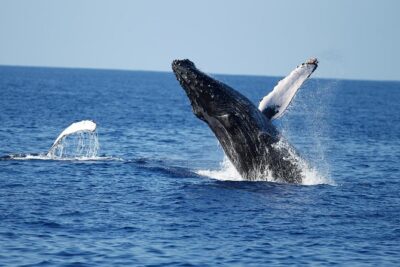
Waikiki Whale Watching Cruise with Snack & Trolley Transportation
Read our review →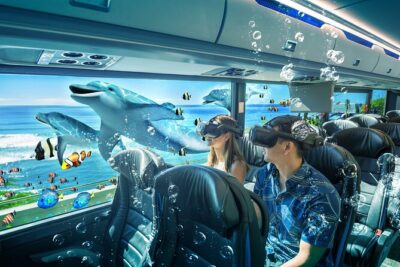
Honolulu XR Bus Tour: Immersive Hawaii Experience “XploreRide”
Read our review →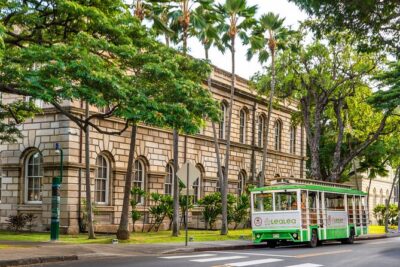
1 Day Pass LeaLea Trolley and Waikiki Trolley Pink Line
Read our review →Browse the lists this tour appears in