
Reviewed · WALKING TOURS
The East Waikiki Walking Tour
The East Waikiki Walking Tour turns a familiar resort district into a lesson in war history, surfing, geology, and Hawaiian culture. In about two hours, you walk from the Waikiki War Memorial Natatorium toward Kaimana Beach, Kapiolani Park, the zoo, and Diamond Head, with an expert guide explaining how the place took shape.
I like the small group limit of four, which should make it easier to ask questions and keep the pace personal. I also like the local focus: you get mochi ice cream, hear about the original surf clubs, and learn why Waikiki’s industries affect the plants, animals, and people around it.
The main caution is reliability. The overall rating is 4.2 from five ratings, but one person reported waiting at the meeting point while the guide did not appear. Confirm your booking details before setting out, and leave enough time to handle any last-minute problem.
In This Review
- Key points to know before you book
- Why this small East Waikiki walk is different
- Meeting at the Surfer on a Wave
- The Natatorium reveals Waikiki’s wartime past
- Kaimana Beach connects surf clubs and Hawaiian identity
- Mochi ice cream makes Kapiolani Park a useful pause
- The zoo stop adds stories about animals and place
- Diamond Head explains the island from the ground up
- Sustainability is part of the explanation
- Who should book the East Waikiki walk
- Should you book it?
- FAQ
- Where does the East Waikiki Walking Tour start?
- What time does the tour begin?
- How long does the walking tour last?
- How many people can join the tour?
- Is water provided?
- What happens if the tour is canceled because of bad weather?
Key points to know before you book
- A four-person maximum keeps the walk personal: This is far smaller than a standard city tour and should suit you if you prefer questions and conversation.
- The War Memorial Natatorium is the unusual opening stop: You see an abandoned Olympic-sized swimming pool built into the ocean.
- Kaimana Beach connects surfing with Hawaiian identity: The guide covers the early Outrigger and Hui Nalu surf clubs and the way surfing shaped Hawai‘i’s image abroad.
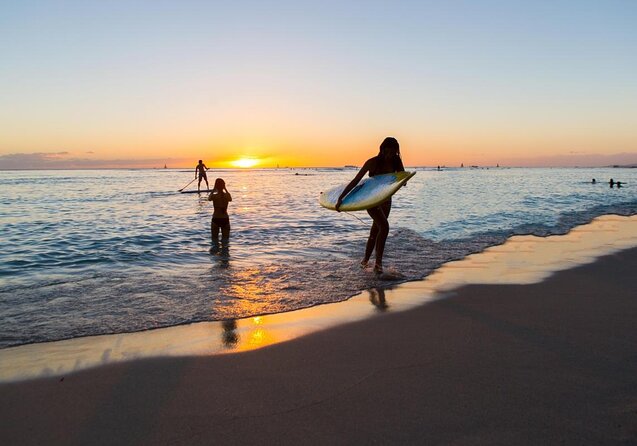
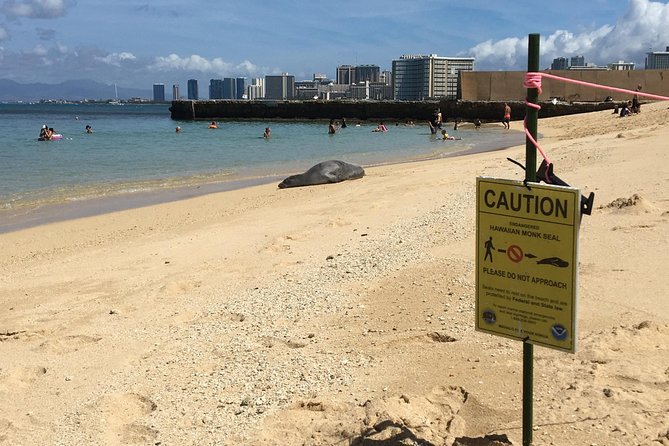
- A monk seal may appear at Kaimana Beach: The beach is a favored haul-out spot for the rare Native Hawaiian monk seal, though no sighting is promised.
- Mochi ice cream is included: The local snack arrives about 45 minutes into the walk, during a pause in Kapiolani Park.
- You finish with Diamond Head’s volcanic story: The walk along the base of Le‘ahi State Park explains how the famous cone formed.
Why this small East Waikiki walk is different
Many Waikiki walks stay close to hotels, beaches, and postcard views. This one uses those familiar places as evidence in a larger story. You hear about Pacific geology, Hawaiian flora and fauna, wartime history, surfing, tourism, and sustainability in the same outing.
That broad scope is the tour’s main strength. Hawai‘i Walks presents its guides as experts with advanced degrees, and the subject matter goes well beyond naming landmarks. You can expect discussion of how industry has changed Waikiki and practical information to help you make more responsible choices while visiting the islands.
The group size matters here. With a maximum of four participants, the guide can spend more time explaining a question or pointing out a detail that a large group might miss. The tradeoff is that such a small operation may be more vulnerable to a scheduling problem. One poor experience involved a guide failing to appear, so I would save the confirmation and verify the meeting details before the 9:00 a.m. start.
The price is $14, which is low for a guided two-hour experience in Waikiki. The value is strongest if you want context rather than a simple stroll. You are paying for interpretation, not admission tickets or a major attraction, so the tour makes the most sense early in your stay, when the information can shape the rest of your time on Oahu.
More walks around Oahu:
- Self guided Hike Trail to Nature Walk & Waterfall
★ 4.5 · 283 reviews - Honolulu Haunts: Ghosts and Spirits Walking Tour
★ 4.2 · 169 reviews - Honolulu Downtown Walking Tour
★ 5.0 · 149 reviews
Meeting at the Surfer on a Wave
The tour begins at the public art piece called Surfer on a Wave, near Kalakaua Avenue and Monsarrat Avenue in Honolulu. The start time is 9:00 a.m., and the activity returns to this same meeting point at the end.
This location places you at the eastern edge of Waikiki, close to the route toward Kaimana Beach and Diamond Head. You are not being collected from a hotel, so plan your own way to the meeting point. The area is near public transportation, which helps if you are not staying within easy walking distance.
A mobile ticket is provided, and confirmation is received when you book. Bring your own water if possible. Bottled water is not supplied, but sterilized Hydro Flask containers with cold water are available if you forget yours.
The tour calls for a moderate level of physical fitness. Expect to walk outdoors for around two hours, with stops for explanations, photographs, and the ice cream break. Wear comfortable shoes and prepare for sun, even though the route includes pauses.
The Natatorium reveals Waikiki’s wartime past
The first stop is the Waikiki War Memorial Natatorium, where you spend about 15 minutes. The site combines a memorial with an Olympic-sized swimming pool built in the ocean, giving you an unusual physical reminder of how Hawai‘i connected to the world wars.
The pool is no longer a working swimming facility. Its abandoned condition is part of the point. Instead of looking at a polished monument, you see a structure that has aged beside the water. The guide uses it to explain Hawai‘i’s role in wartime history and the way public memory can change over time.
I like this opening because it immediately moves the walk away from resort scenery. You begin with a real place that is easy to pass without understanding. The stop is also short, so the historical introduction should not take over the whole morning.
You will not be entering a major museum or touring a restored building. The value comes from the guide’s explanation and the setting itself. If you want a formal indoor attraction with displays, this stop may feel modest. If you enjoy learning why an overlooked structure matters, it is a strong start.
Kaimana Beach connects surf clubs and Hawaiian identity

The walk continues to Kaimana Beach for about 10 minutes. Here, the guide explains basic surfing history and the early surf schools associated with the area.
The story centers on two original surf clubs, Outrigger and Hui Nalu. Their conflict helps explain that surfing was not simply a modern resort activity. It had local social meaning, and the competition between the clubs influenced how surfing and Hawai‘i were presented to the wider world.
That distinction is valuable. You get more than a lesson in how people ride waves. You learn how a Hawaiian practice became part of an international image, with all the changes and tensions that came with that process.
Kaimana Beach is also one of the favored haul-out spots for the Native Hawaiian monk seal. You might see one resting on the sand, but the tour does not promise a sighting. The possibility adds a wildlife element without turning the walk into a seal-viewing excursion.
Keep your expectations sensible here. Ten minutes is enough for a focused explanation, but not a long beach stay. If a seal is present, you should follow any instructions about giving it space. The experience is better when the animal is treated as wildlife, not an attraction.
Same island, a completely different kind of day:
- Oahu Grand Circle Island and Haleiwa Tour: 9-Hr Deluxe Experience
★ 5.0 · 17,387 reviews - Oahu: Grand Tour Around Island 16 Locations plus Snorkeling
★ 5.0 · 8,669 reviews - Parasailing Experience in Waikiki, HI
★ 5.0 · 7,692 reviews - Salute to Pearl Harbor Including USS Arizona
★ 4.5 · 7,433 reviews
Mochi ice cream makes Kapiolani Park a useful pause
At Kapiolani Park, the group takes about 15 minutes for photographs and a snack. Local mochi ice cream is included, and the break comes roughly 45 minutes into the tour.
This pause gives the morning a pleasant rhythm. You have already covered the memorial and surf history, so the park offers time to sit or slow down while taking in the surroundings. The snack is a small inclusion, but it helps distinguish this from a bare-bones walk where you pay only for commentary.
The ice cream also supports the tour’s local emphasis, at least in a practical way. You are given a chance to try a locally made treat rather than being directed to a standard chain or generic refreshment.
The information does not specify the flavor, the brand, or whether dietary alternatives are available. If you have food restrictions, ask before booking. Water is also not included in bottled form, so bring your own reusable bottle if you can.
Kapiolani Park is a photo stop rather than a long guided visit. I would use the break to ask about anything you have heard so far. In a group of four, this can be one of the best moments for a real exchange with the guide.
The zoo stop adds stories about animals and place
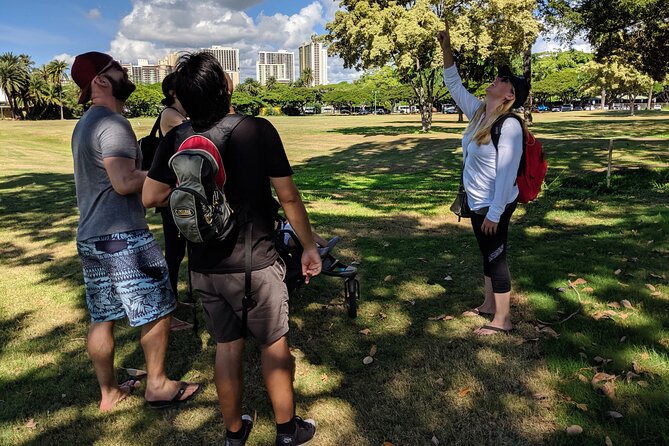
The route circles the zoo, where the guide shares some of the most compelling stories about animals that have lived there over the years. The available information does not specify which animals or how long this portion lasts.
That lack of a fixed animal list is worth noting. You should expect stories connected to the zoo and its former residents, not a zoo admission visit or a behind-the-scenes animal encounter. The tour does not say that entrance is included, and the route description says you circle the zoo.
This stop fits the larger purpose of Hawai‘i Walks. The company focuses on plants, animals, human history, and the effects of industry. The zoo offers a natural place to discuss how people bring animals into urban settings and how those animals become part of a city’s story.
If you are especially interested in wildlife, this section may be a highlight. If you want to spend time viewing current exhibits, you will need a separate visit. The walking tour gives you context, not entry to the zoo.
Diamond Head explains the island from the ground up
The final section follows the base of Diamond Head, or Le‘ahi State Park. The guide explains the island’s geological history and the formation of this famous volcanic cone.
This is a smart way to finish because the volcanic rock beneath Waikiki helps explain the entire setting. The tour moves from human stories, including war memorials and surf clubs, to the natural forces that shaped Oahu long before people arrived.
You do not climb Diamond Head on this activity. The description says the group walks along the base of the state park. That makes the experience less demanding than a summit hike, though you still need a moderate level of fitness for the full route.
The geology section should appeal to you if you like knowing how a place came to look the way it does. A photograph of Diamond Head is more interesting when you understand that its cone is tied to the island’s volcanic formation rather than being merely a scenic backdrop.
The tour ends back at the original meeting point. Since the schedule is approximately two hours, you should avoid booking a tight appointment immediately afterward. Walking speed, questions, weather, and stop lengths can all affect the finish time.
Sustainability is part of the explanation
Sustainability is not presented as a separate lecture. It runs through the way the guides discuss Waikiki’s development, tourism, plants, animals, and local social issues.
That approach gives you useful context for the rest of your island visit. You hear how tourism affects the area and receive information intended to help you become a more responsible consumer while in Hawai‘i. The tour does not simply point out beautiful places. It asks you to think about the cost of maintaining them.
This focus may not suit you if you want a light, joke-filled sightseeing walk with little discussion of difficult subjects. The company’s stated aim is historically literate and socially aware. You should expect a thoughtful outing, with attention to issues that may be uncomfortable but relevant.
At $14, that educational purpose gives the tour good value. You could walk through the same general area for free, but you would miss the connections between the memorial, surf clubs, wildlife, parkland, tourism, and volcano. The price is modest enough to make this a useful orientation activity, especially for someone visiting Oahu for the first time.
Who should book the East Waikiki walk
I would recommend this tour to you if you want a compact introduction to East Waikiki and prefer interpretation over a checklist of attractions. It should suit people interested in Hawaiian history, surfing, geology, wildlife, sustainability, and local social questions.
The small group is a good fit if you like asking questions. The moderate fitness requirement means you should be comfortable walking outdoors for about two hours. Service animals are allowed, and the route is near public transportation.
Families may appreciate the ice cream and animal stories, but the depth of the history and sustainability discussion may suit older children and adults better. The tour is also useful for repeat visitors who already know Waikiki’s main streets but want to understand the area in a broader way.
I would hesitate if you need a guaranteed start with no uncertainty. The single report of a missing guide is serious, even though the overall rating is 4.2 from five ratings. Keep your booking confirmation handy and contact the operator if anything about the meeting details is unclear.
Weather also matters. The activity requires good conditions. If poor weather cancels the tour, you are offered another date or a full refund. You can cancel for a full refund up to 24 hours before the 9:00 a.m. start, but cancellations or changes inside that window are not refunded or accepted.
Should you book it?
Book the East Waikiki Walking Tour if you want a low-cost, small-group lesson in what lies behind Waikiki’s beaches. The abandoned Natatorium, early surf-club rivalry, possible monk seal sighting, mochi ice cream, zoo stories, and Diamond Head geology give the morning a varied shape.
Skip it if you want a long beach stop, zoo admission, a Diamond Head climb, or a guaranteed wildlife encounter. Also allow for the one reported no-show and confirm the arrangements before you leave.
For $14, I see this as a strong value for curious visitors who want the place explained rather than merely photographed.
FAQ
Where does the East Waikiki Walking Tour start?
It starts at the public art piece Surfer on a Wave near Kalakaua Avenue and Monsarrat Avenue in Honolulu, Hawaii.
What time does the tour begin?
The tour begins at 9:00 a.m.
How long does the walking tour last?
The tour lasts approximately two hours.
How many people can join the tour?
The maximum group size is four participants.
Is water provided?
Bottled water is not provided. Sterilized Hydro Flask containers with cold water are available if you forgot your own bottle.
What happens if the tour is canceled because of bad weather?
You are offered a different date or a full refund. For personal cancellations, you must cancel at least 24 hours before the start time to receive a full refund.
Just added around Oahu
- Koko Head E-Bike Ride and Hike Tour★ 5.0 · 3 reviews
- Waikiki: Sunset Swim & Sailing Experience★ 4.5 · 3 reviews
- Diamond Head Hike [Starts at 7:00 a.m.]★ 3.5 · 3 reviews
- Honolulu’s Waikiki Self-Guided Walking Audio Tour★ 4.5 · 3 reviews
- Oahu : Hanauma Bay Reservation+Equipment Rental★ 3.3 · 3 reviews
- Oahu: Half-Day Sunrise Semi-private Tour from Waikiki★ 3.0 · 3 reviews
- Private Whale Watching Safari from North Shore Oahu★ 5.0 · 3 reviews
- Self Guided Hike Trail to Nature Walk & Waterfall★ 3.2 · 3 reviews
Walking Tours, compared.
Self guided Hike Trail to Nature Walk & Waterfall
Read our review →
Honolulu Haunts: Ghosts and Spirits Walking Tour
Read our review →



Honolulu Historic District a Smartphone Audio Walking Tour
Read our review →Browse the lists this tour appears in